Switzerland is among the ten countries with the best conditions for tourism. That is what the new Travel & Tourism Development Index from the World Economic Forum shows, published on 25 September 2026. Rank 9 of 110, one place better than in 2024. But the more interesting statement in the report is not in the ranking. It is in the chapter on prices — and it concerns every hotel thinking about discounts in the coming months.
The problem in everyday hotel business
When demand slows down, many properties reach for price first. An early-bird discount here, a promotion on the portal there, a "last minute" offer for the quiet weeks. It feels like taking action and brings bookings in the short term.
The catch: a price war has no floor. There is always some provider that is cheaper, and whoever competes on price trains their own guests to wait for the next promotion. At the same time, costs keep rising. Lorenzo Pianezzi, hotelier from Lugano and candidate for the board of HotellerieSuisse, said on 25 September in htr that staff, energy and operating costs keep climbing relentlessly, and margins keep shrinking year after year despite record demand.
What the WEF report shows
The index does not measure how popular a country is, but how good the conditions for tourism are — based on 17 pillars ranging from infrastructure and safety to culture. Switzerland reaches 4.97 out of 7 points, 2.8 percent more than in 2024. Japan leads with 5.27 points.
The pillar that developed worst is price competitiveness. Three quarters of the countries examined score worse here than in 2024, and the global average fell by 3.1 percent. Travel-related prices have risen faster than general inflation in many countries. Room rates in mid-range hotels and above rose by an average of 6 percent across countries. For Europe, the report notes that progress in infrastructure and offerings was partly eroded by declining price competitiveness.
The WEF's conclusion is clear. Among the five priorities named in the report is: compete on value, not on price alone. What matters is not whether a destination is expensive or cheap, but whether guests feel that the experience and service justify the price. Anyone who wants to achieve that must make the value visible and credible — through reliable service, design and communication.
The report illustrates what this can look like using Costa Rica as an example. The country ranks only 86th in price competitiveness. Even so, average spending per trip rose by around 15 percent in 2025, to 1848 US dollars, with hardly any increase in arrivals. Fewer guests who spend more, because they know what for.
What does this mean for your hotel?
The WEF writes for countries and destinations. But the logic applies directly to a single property as well.
1. Show the value before the price appears
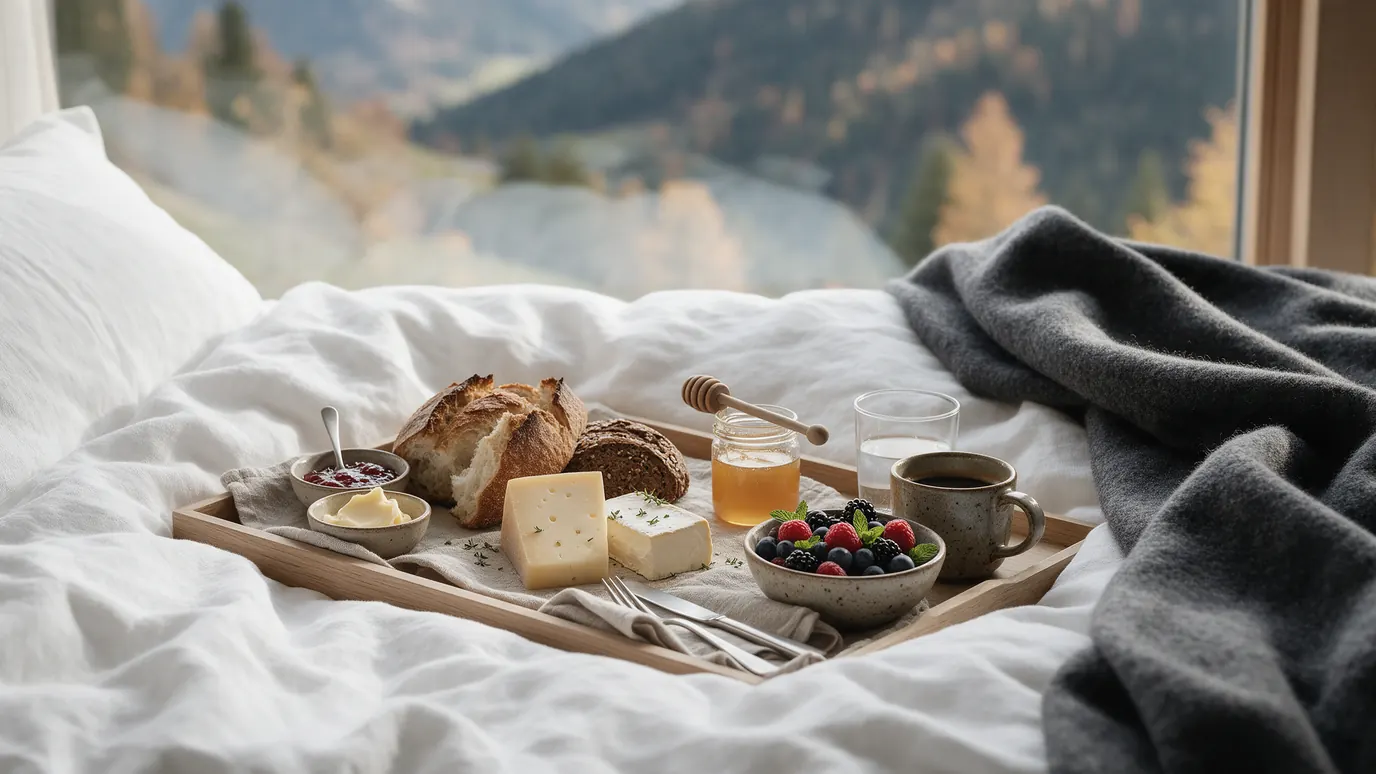
On many hotel websites, the guest sees the price first and only afterwards what they get for it — if at all. Reverse the order. What is included? Breakfast made with local produce, wellness, a mountain railway ticket, parking, late check-out? This belongs on the room page and in the booking engine before the amount appears. A price without a visible counter-value always looks too high.
2. Inclusions instead of discounts
A 15 percent discount lowers the yield of every booking and the perceived value of the property at the same time. A package with dinner, a massage or an excursion at the same price does not. It typically costs you less than the discount, because you provide the service at cost, and it gives the guest a reason to book directly.
3. Use reviews as proof
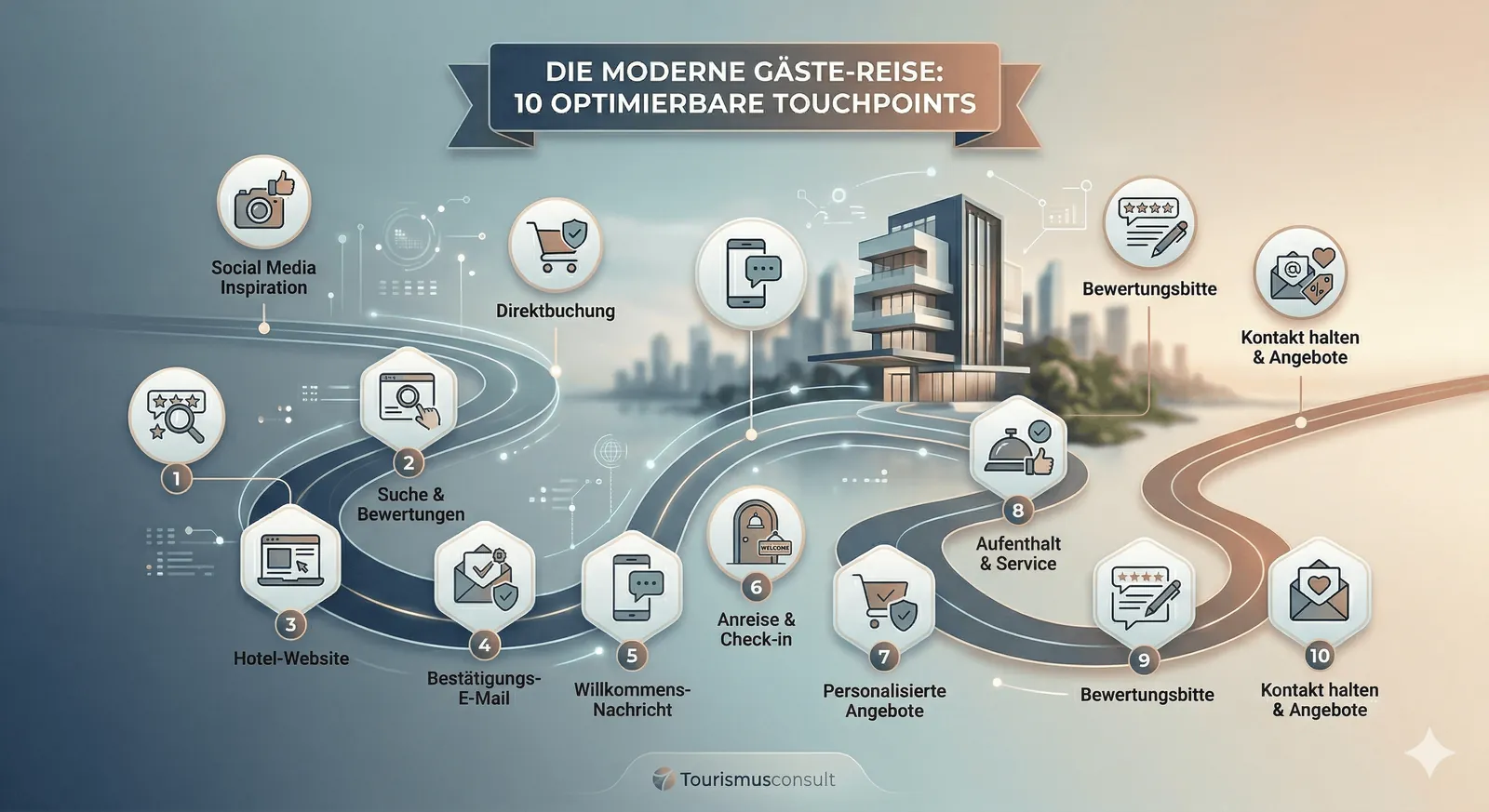
Any hotel can claim value. It only becomes credible through others. Quote on your website what guests specifically praise, and respond to reviews visibly. The WEF explicitly names reputation and brand as central to making value credible.
4. Target segments that appreciate value
The report recommends deliberately strengthening segments with higher value creation: business travel, events and stays outside peak season. For a leisure hotel, this means seminars in the shoulder season, hiking weeks in autumn, offers for guests who seek quiet and are willing to pay for it.
5. Make the value readable for machines too
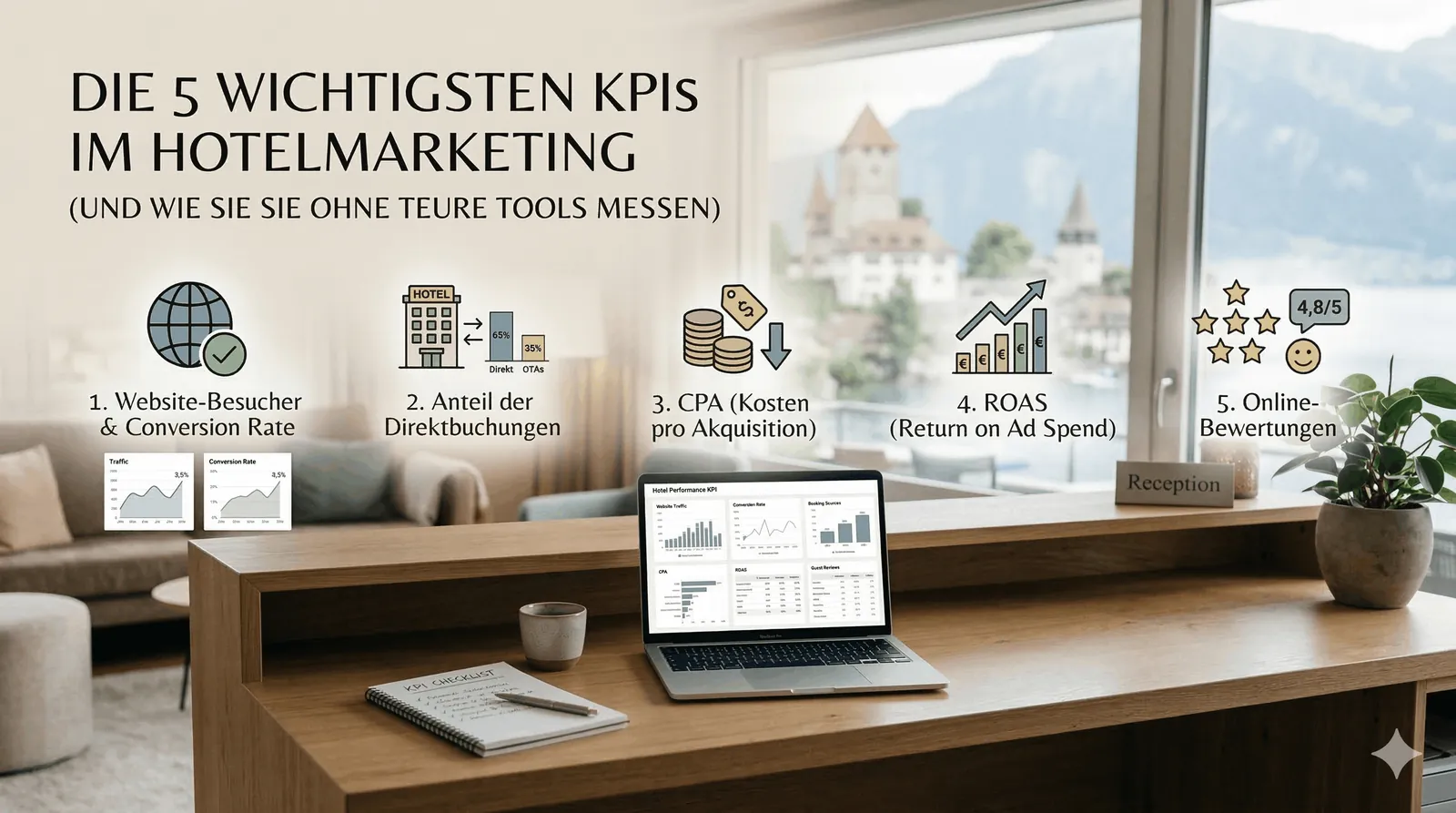
More and more guests are being advised by search engines and AI assistants. The report describes how Germany built a shared, machine-readable database with around 500,000 tourism entries for this purpose. For a hotel, this starts smaller: structured data, a complete Google Business Profile, clear details on services. An assistant can only recommend what it understands.
Common mistakes
- Lowering the price first when demand is weak, instead of explaining the offer better
- Granting discounts on portals that are not available on your own website
- Hiding inclusions in the fine print instead of showing them before the price
- Putting together packages whose content guests would not choose themselves — a value nobody wants is no value at all
- Collecting reviews but not using them on your own website
Conclusion
Rank 9 in the WEF index is a good report card for Switzerland as a travel destination. But it changes nothing about the fact that travel is becoming more expensive almost everywhere. The report draws a clear lesson from this: if you cannot be the cheapest, you must show why you are worth your price. For a hotel, this does not start at the reception desk but on the website — where the guest sees a price for the first time and decides whether they find it justified.
Sources
- World Economic Forum, 25 September 2026: Travel & Tourism Development Index 2026 (report as PDF: weforum.org)
- Zurich Insurance Group, 25 September 2026: TTDI 2026: Rankings, trends and key findings
- htr hotelrevue: Schweiz gehört im WEF-Tourismus-Index zu den Top 10
- htr hotelrevue: Lorenzo Pianezzi: «Vielleicht ist unser Storytelling nicht mehr gut genug»
More related articles
- Price parity in Switzerland: Why it sabotages your direct bookings — and how to change that
- Reviews in the age of AI: Why your stars now count twice
- Off-season marketing for hotels: How to fill quiet months deliberately
- Structured data for hotels: How to stand out on Google with stars, prices and reviews