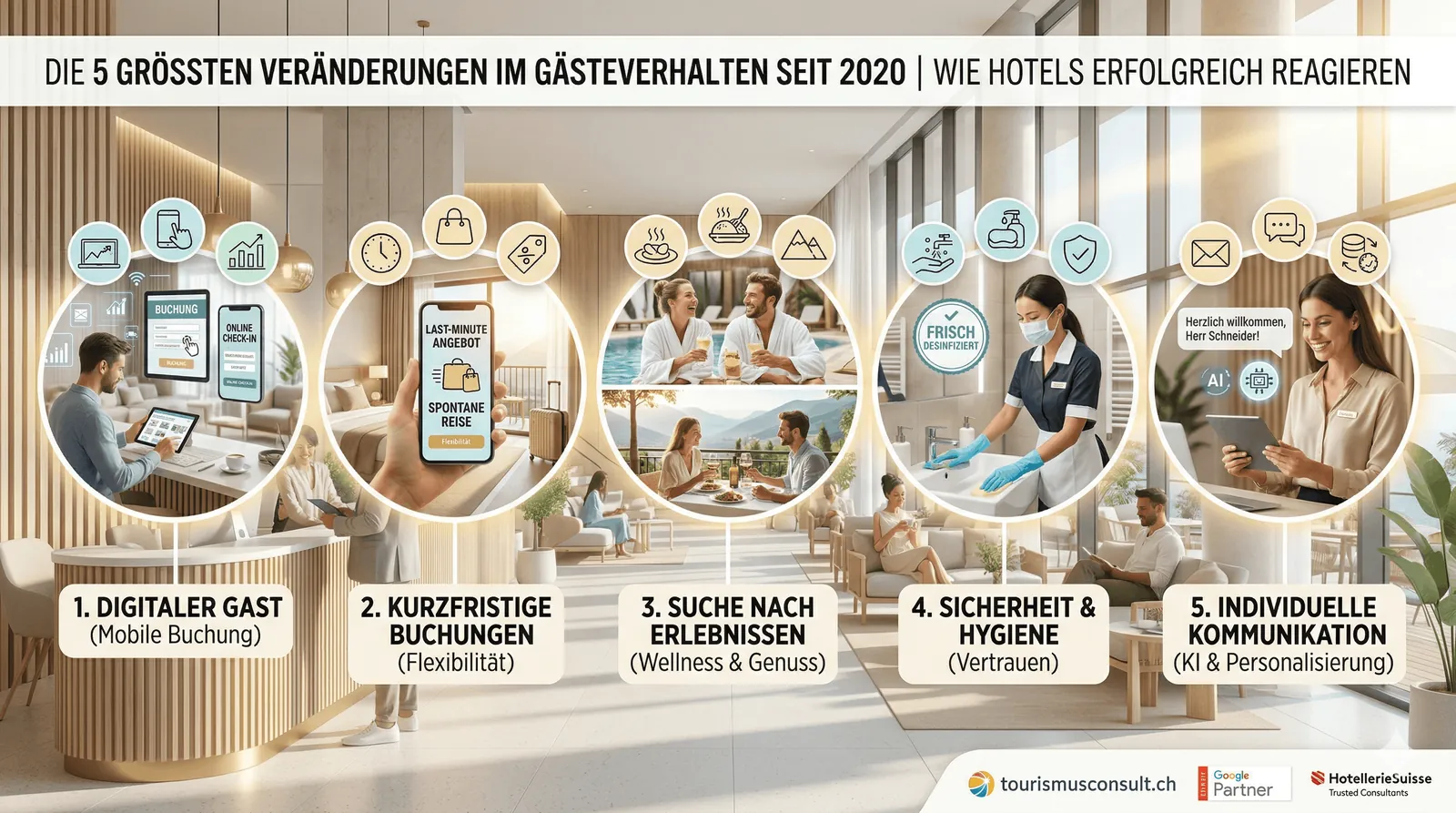
The world has changed since 2020 – and with it, the behaviour of your hotel guests. The pandemic acted as a catalyst for digitalisation and has permanently shaped expectations of a hotel stay. For hoteliers, it is essential to understand these new needs in order to stay competitive and generate more direct bookings. We show you the five most important changes and what they mean for you.
1. The guest is more digital than ever
Your guests today are far more tech-savvy. They expect a seamless digital experience – from booking to the stay itself. An outdated, cluttered website or a complicated booking process quickly leads to frustration and abandoned bookings.
What does this mean for you? Invest in a modern, mobile-friendly website with a simple, secure booking system. Show online what makes your hotel unique and build trust through professional images and clear information.
2. Bookings are becoming more short-term
The uncertainty of recent years has led guests to plan their trips more spontaneously and with shorter lead times. Booking far in advance is no longer an option for many. This means less predictability for you, but also the chance to score points with flexible offers.
What does this mean for you? Respond to this trend with attractive last-minute offers and flexible cancellation terms. This way, you can secure good occupancy even with short-term bookings.
3. The search for the special experience
The share of leisure travellers has increased. These "leisure guests" are not just looking for a place to stay overnight, but for an unforgettable experience. They are willing to pay more for unique offers, but at the same time show less brand loyalty. Whoever puts together the best overall package for individual needs wins.
What does this mean for you? Create special offers and packages tailored to the interests of your target groups. Whether a wellness weekend, a gourmet experience or an outdoor adventure – stand out from the competition and give guests reasons why they should book with you specifically.
4. Safety and cleanliness as top priorities
Awareness of hygiene and safety has risen enormously. Guests want to feel safe and comfortable in your hotel. A transparent and professional hygiene concept is therefore no longer a "nice-to-have" but a basic requirement.
What does this mean for you? Communicate your hygiene measures proactively on your website and in booking confirmations. Visible cleanliness and clear processes build trust and give your guests the reassuring feeling of being in the best hands with you.
5. The desire for personalised communication
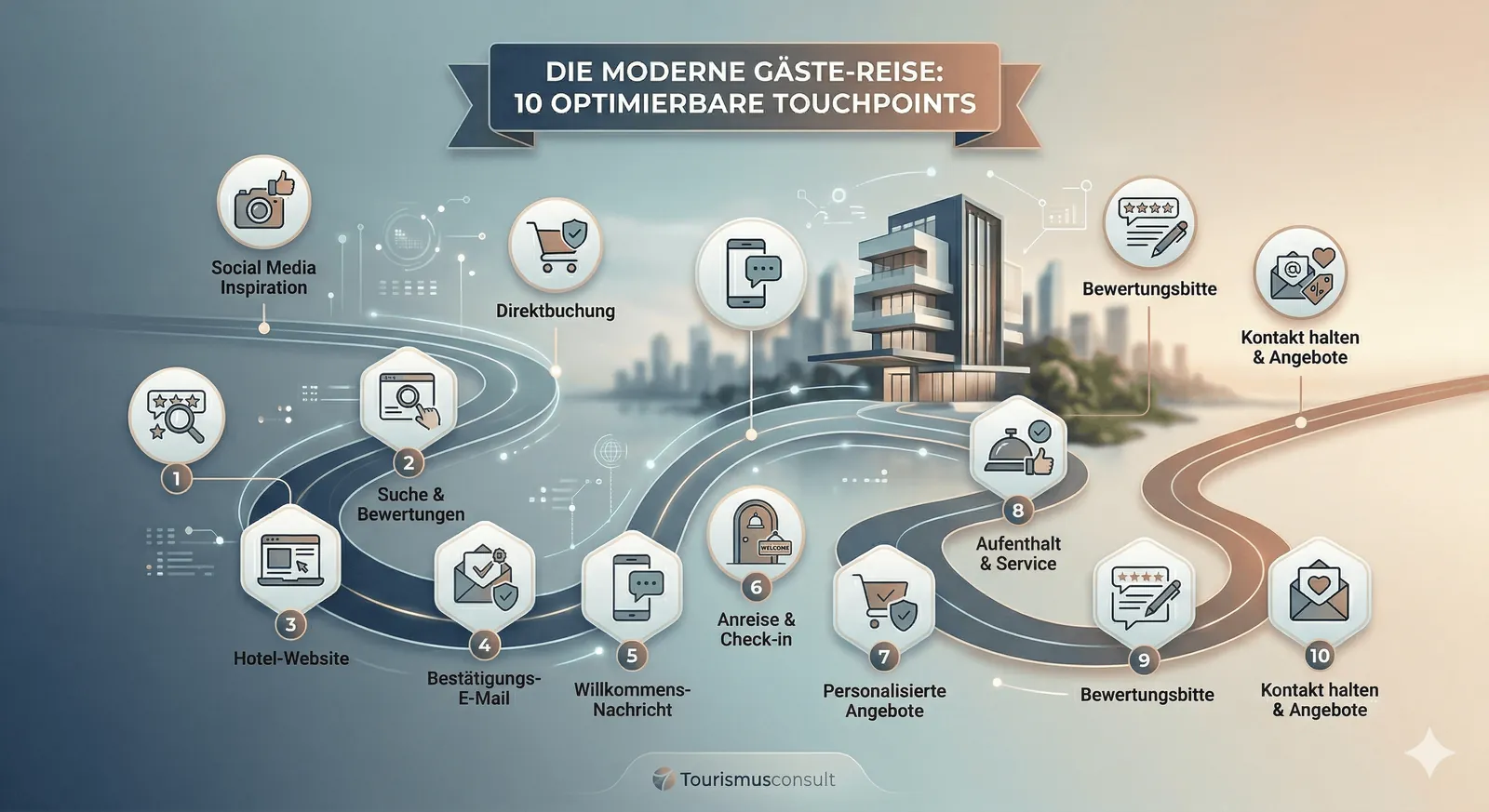
Guests today expect more personal and direct communication. Impersonal mass emails are losing their impact. What is needed is relevant information at the right time and through the right channel. AI-supported tools can help you automate guest communication while personalising it at the same time.
What does this mean for you? Use the possibilities of digital communication to address your guests individually before, during and after their stay. Inform them about relevant offers, ask about their wishes, and stay in touch even after departure. This strengthens guest loyalty and turns one-time visitors into loyal regulars.
Conclusion: the future is digital and personal
Guest behaviour has changed fundamentally. Hoteliers who see these changes as an opportunity and adapt their strategies accordingly will be successful in the long term. It is about using digital possibilities cleverly to create a more personal and secure guest experience.
Would you like to know how to implement these insights specifically for your hotel? We at Tourismusconsult support you in doing so. As a Google Premier Partner and certified HotellerieSuisse Trusted Consultants, we help you take your digital marketing to the next level. Contact us for a no-obligation conversation.
Current sources & further links (2026)
PhocusWire (2026) / Hospitality.today (2026) on new AI-supported ways to reduce OTA dependency.
Other related articles:
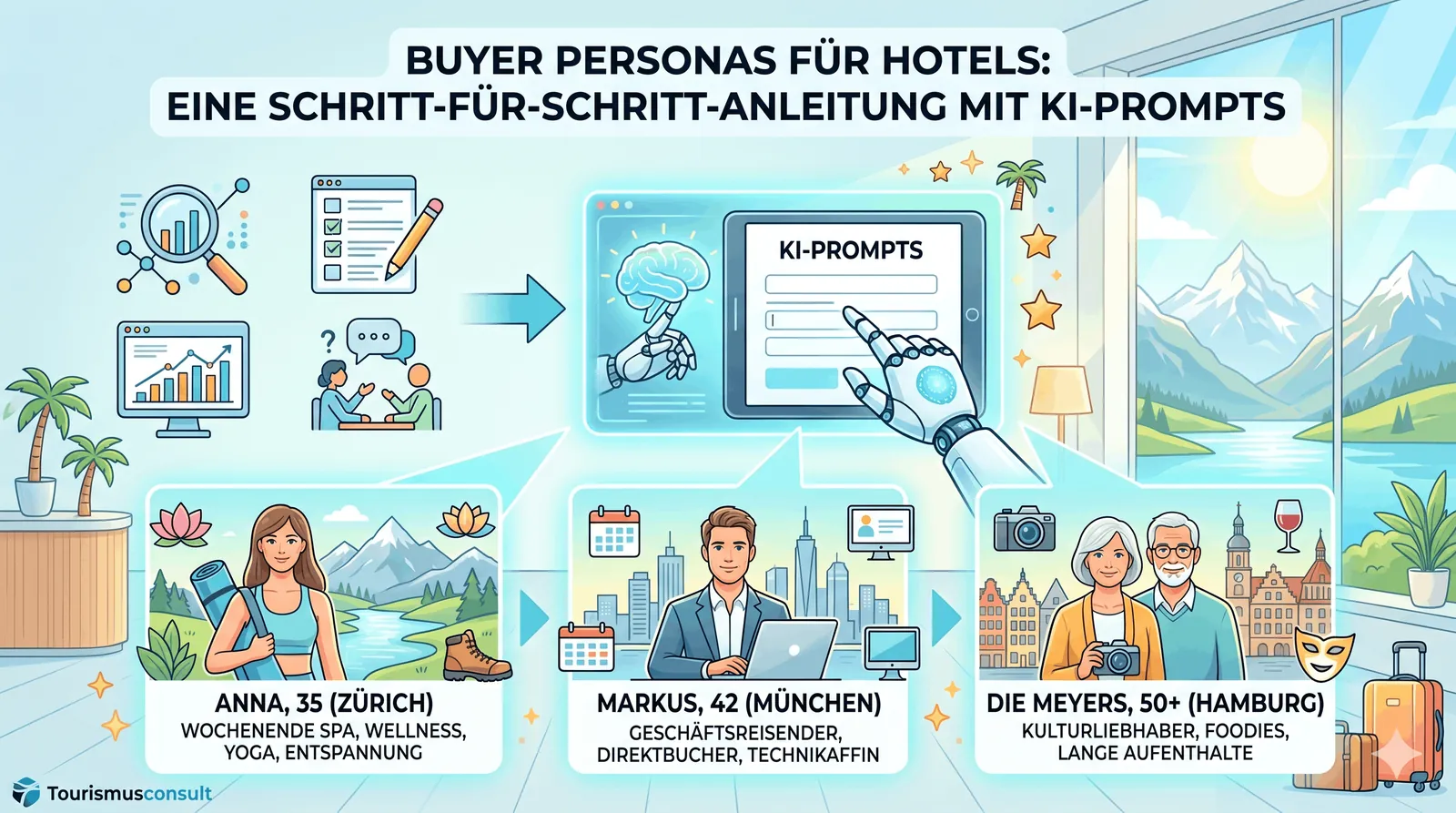
- Do you really know your guests? Buyer Personas 2026 (implications for guest communication)
- Timing seasonal campaigns correctly (changed booking behaviour as a common denominator)
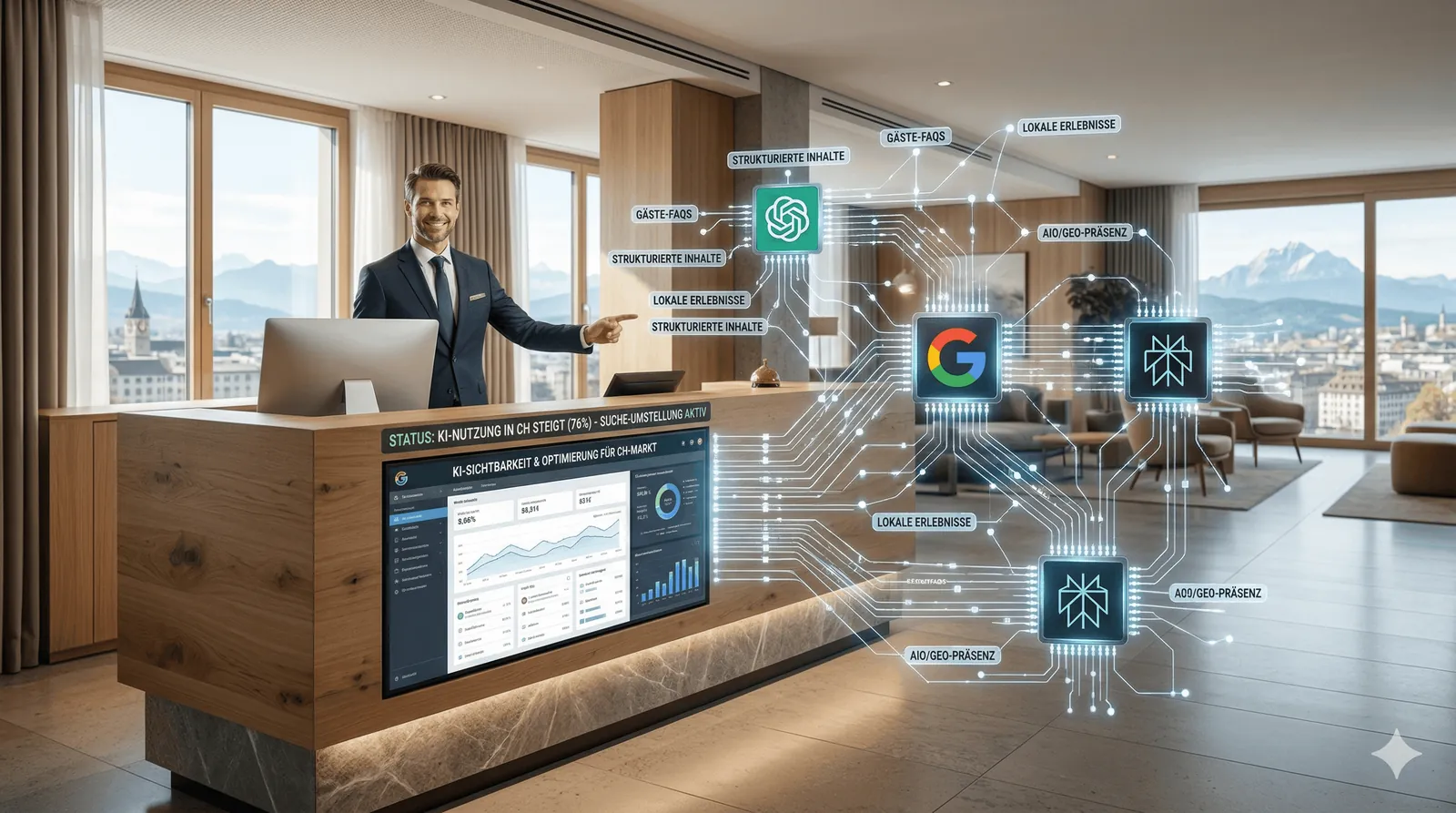
- 76% of the Swiss population use ChatGPT & Co. (one aspect of changed behaviour)