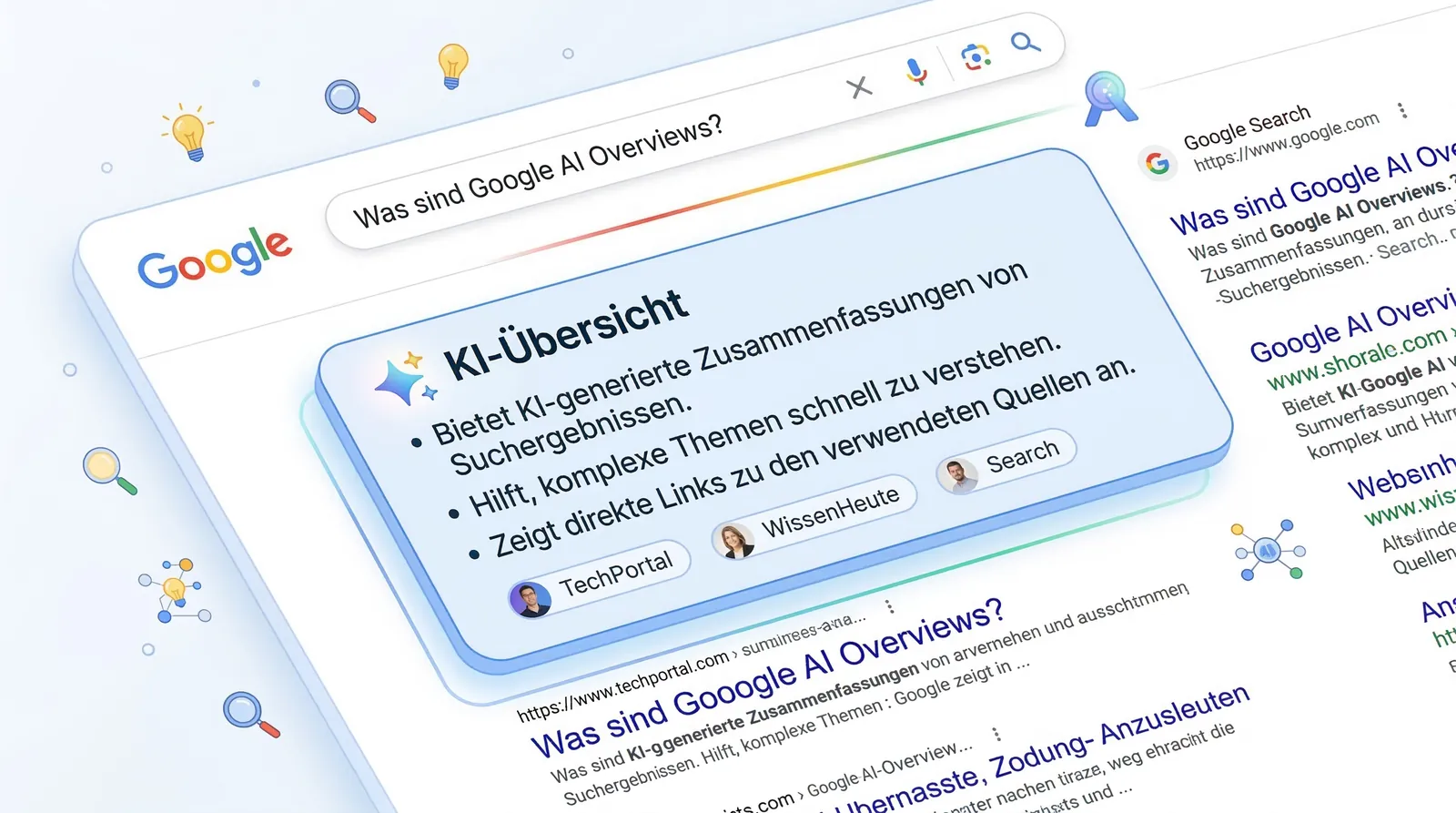

A single blog article about "hiking in autumn" is no longer enough today to appear as a source on Google or in an AI answer. Search engines and generative AI systems such as ChatGPT or Gemini increasingly favour pages that cover a topic comprehensively and in connected form — not isolated, standalone posts. Any hotel or destination that wants to be genuinely found on a given topic can hardly avoid a structured content strategy anymore.
Everyday challenge in hotels
Many tourism websites and hotel websites grow unsystematically over the years: a post about the Christmas market here, one about winter hikes there, in between a page on room categories. Often well written individually, but without any recognisable structure connecting them. For readers, this is tedious, because they have to work out the connections themselves. For Google and AI systems, it is even harder: without clear thematic bundling and linking, these systems cannot recognise that a website truly has substance in a given subject area — and rank it lower accordingly.
Current findings from studies / occasion
Recent analyses from the SEO and GEO industry (including from Digital Applied and other analyses on AI citations) as well as ongoing observations of Google core updates show a clear trend:
- Single posts are losing weight, topic hubs are gaining. Both classic search engines and AI systems favour content that covers a topic broadly and in connected form, rather than isolated single pages.
- The pillar-cluster model is becoming the standard. A central overview page (pillar page) covers a topic broadly, while several subpages (cluster content) go deeper into individual aspects — all internally linked to one another.
- Internal linking has become a ranking factor in its own right. Pages that are cleanly linked within a topic cluster signal content depth and coherence to search engines and AI systems.
- AI citations follow recognisable topical authority. Anyone who consistently publishes well-founded, up-to-date content in a subject area is named as a source in generative search answers far more often than pages with isolated hits.
- Currency and transparency count as well. A visible update date, traceable source references and a clear methodology strengthen the trust that both algorithms and AI systems place in a page.
What does this mean for your hotel?
1. One topic, one home page
For each important guest topic — such as "winter holidays in the region", "family holidays" or "hiking" — choose one central page that introduces the topic comprehensively. This pillar page is the anchor point that all in-depth posts refer back to.
2. Depth instead of repetition
Instead of writing five similar articles on the same topic, cover different facets: the best time to travel, specific tours, equipment tips, offers for families. Each post delivers something distinct and links back to the pillar page.
3. Maintain internal linking consistently
Actively link new posts to existing content on the same topic — and vice versa. This interlinking is not busywork for the archive, but the signal search engines and AI systems need to recognise your website as a competent source on a topic.
Concrete practical example
Fictional example, realistically modelled.
A family hotel in the Bernese Oberland had around 40 blog posts, spread across topics such as hiking, bad-weather activities, local excursion destinations and cuisine — without any recognisable structure. The hotel decided to build the topic "family holidays in the mountains" as its first content cluster: a new pillar page bundled the most important questions from families (best time to travel, activities by age group, getting there, accommodation tips), six existing posts were reworked and specifically linked to the pillar page, and two missing facets (rainy days with children, accessibility) were newly added. Within four months, the organic visibility of the pillar page rose noticeably, and the hotel was named as a source in several test queries on ChatGPT and Gemini for "family holidays Bernese Oberland" — previously, this had not been the case.
Common mistakes
- Tackling too many topics at once. Anyone who tries to build five clusters in parallel spreads themselves too thin. Better to start with one topic, implement it cleanly, then expand.
- Cluster posts without linking back to the pillar page. Without this connection, the cluster remains invisible as a unit to search engines and AI systems — the effort is wasted.
- Ignoring old content instead of integrating it. Many hotels prefer to write new content rather than incorporating and updating existing, often good, posts into the cluster. This costs unnecessary time, and existing substance goes unused.
Conclusion
Visibility today no longer comes from individual, well-intentioned blog articles, but from topics that a website addresses consistently and in a connected way. For hotels and destinations, this does not mean a radical fresh start, but a deliberate bundling of what often already exists. Anyone who systematically builds one topic per quarter not only improves their Google ranking but also increases the chance of being named as a trustworthy source in AI answers. The first step is manageable: choose a topic, review existing content and connect it cleanly.
Sources
- Digital Applied — "What Actually Gets You Cited in AI Search (2026 Data)": digitalapplied.comWhat Actually Gets You Cited in AI Search (2026 Data)
- Involve Digital — "Topical Authority Building Guide 2026": Topical Authority Building Guide 2026
- Crispy Content — "Topic Cluster: This is how the 2026 content strategy works": Topic Cluster: So funktioniert die Content-Strategie 2026
- hosttech — "SEO trends 2026: How AI, GEO and European search are changing your visibility": SEO-Trends 2026 – hosttech
Further articles on this topic
- How visible is your hotel really (GEO fundamentals)
- Why ChatGPT recommends your hotel — FAQ page (example of a cluster building block)
- PR as a GEO lever (another GEO factor)
- Local SEO for tourism regions (application example for destinations)