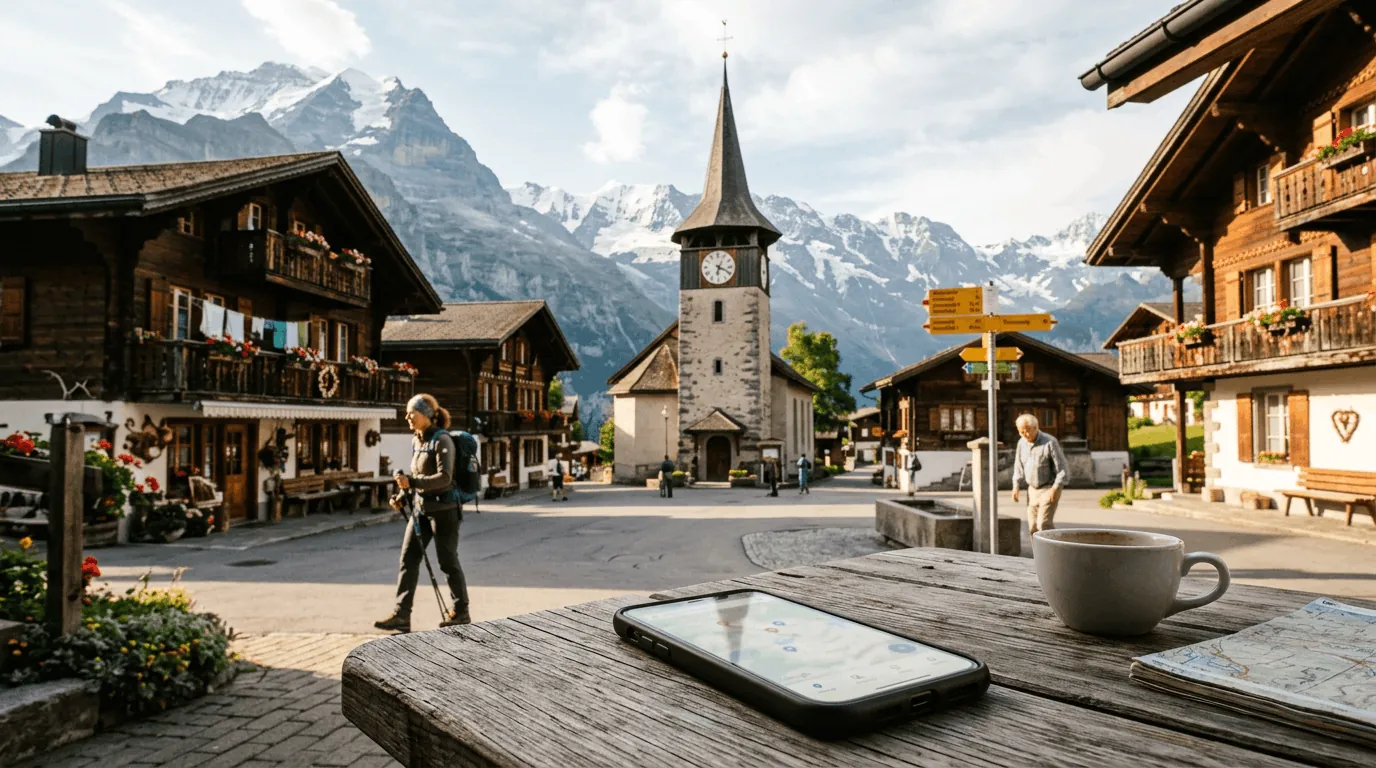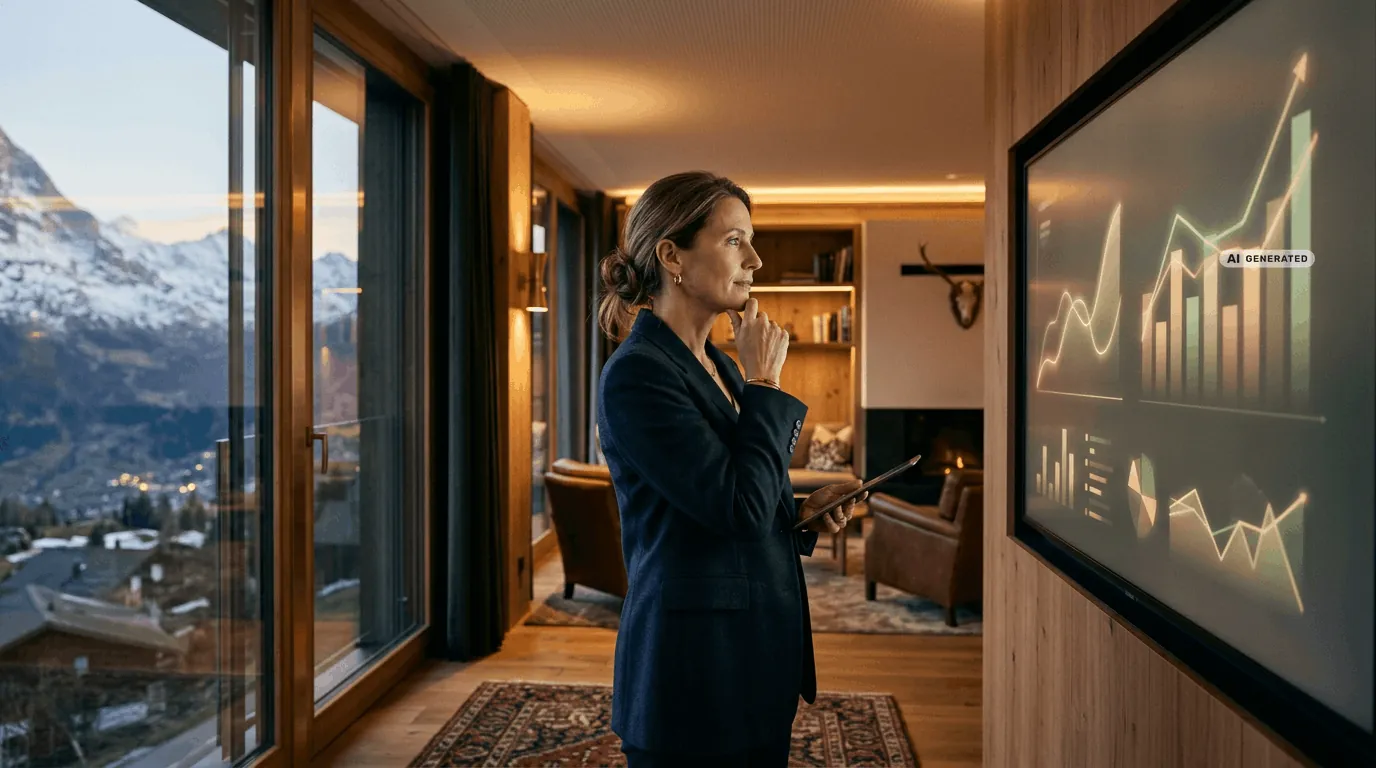
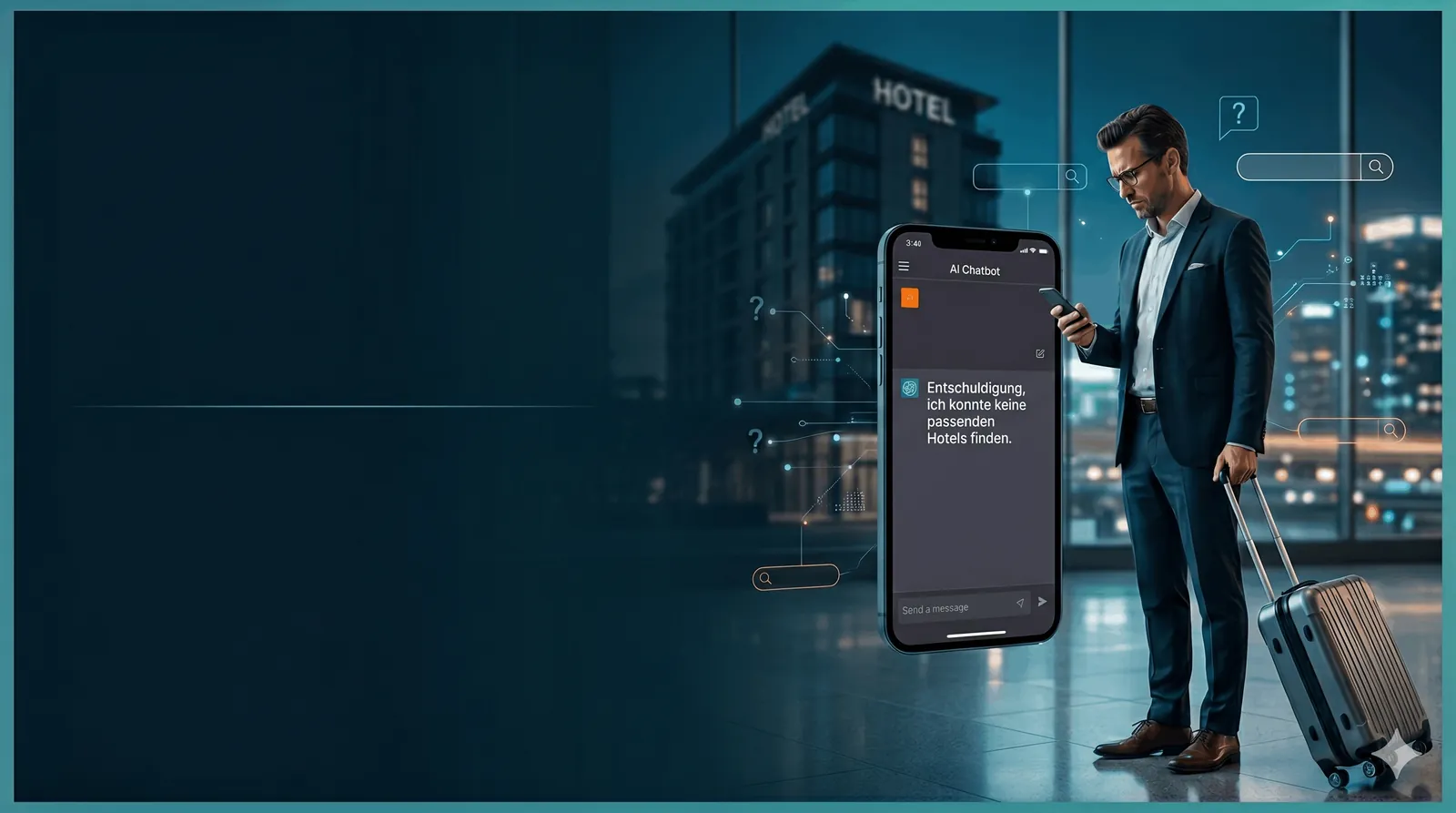
Imagine a potential guest searching for a hotel for their next city trip. But instead of clicking through pages of Google results, they simply ask ChatGPT: «Find me a quiet boutique hotel in Zurich with a good breakfast for around 250 francs.» Within seconds, they receive three concrete recommendations. Is your hotel one of them?
The way guests search for and book hotels has changed fundamentally in 2026. Two recent studies — the Changing Traveller Report 2026 by SiteMinder and the data from RevPARGenius — reveal a dramatic shift. For hoteliers, this means: those who fail to act now will lose visibility and cede ground to the competition.
The new reality of hotel search
The days when Google was the undisputed starting point for every trip planning are over. The latest figures point to a fundamental shift in traveller behaviour:
•OTAs overtake search engines: For the first time in the industry's history, 26 percent of travellers start their hotel search directly on platforms like Booking.com. Traditional search engines such as Google now account for only 21 percent. Guests want efficiency — comparison and booking in one place.
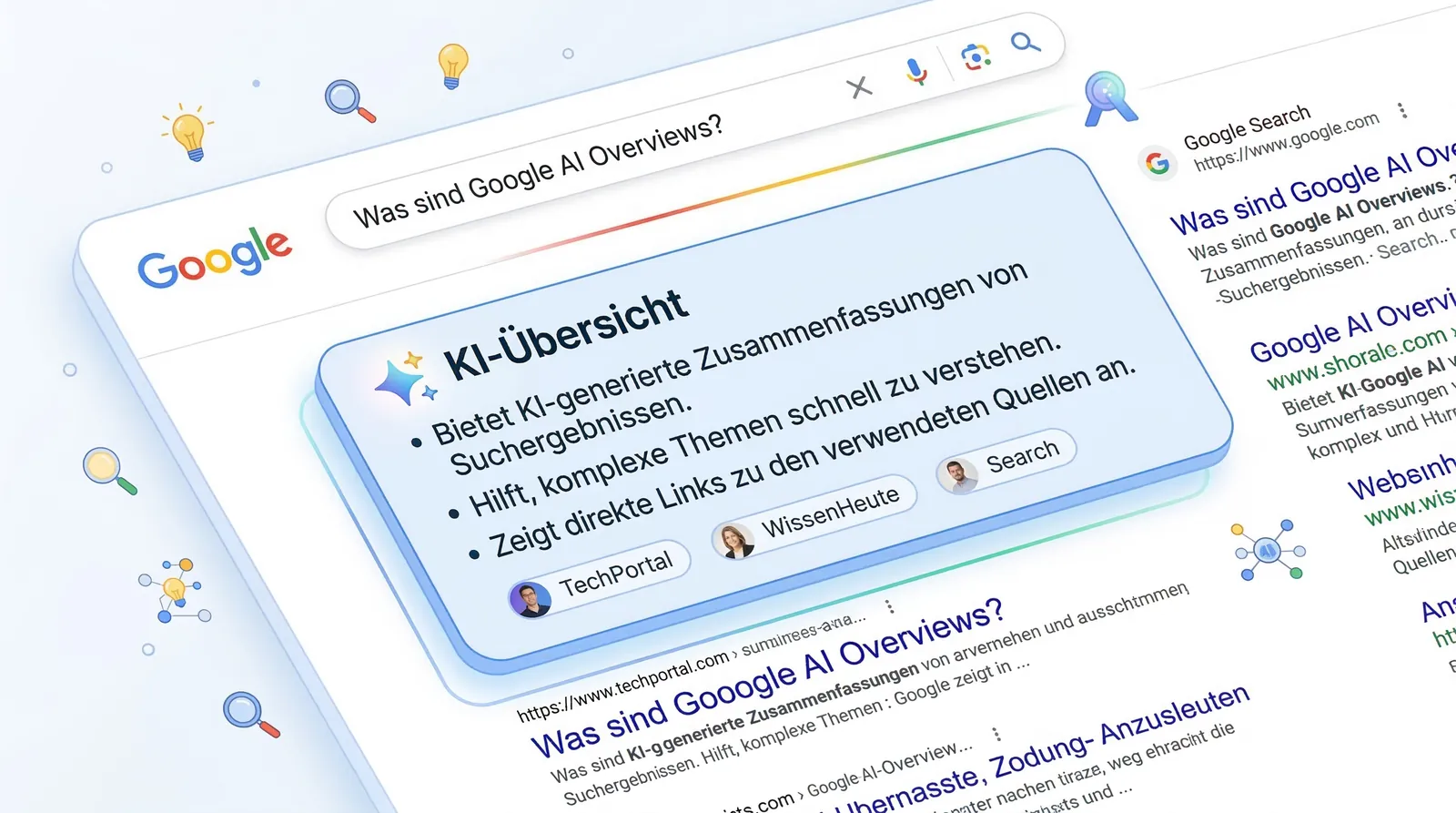
•The rise of AI search: Artificial intelligence has become part of everyday travel. Eight out of ten travellers want AI support when booking. At the same time, AI search platforms recorded growth of over 720 percent within a single year.
•The pull towards the premium segment: A remarkable 58 percent of guests now opt for superior or luxury rooms — an increase of 4 percentage points compared to the previous year. Experience is moving further into focus than price alone.
The invisible hotel: the danger of AI search
Perhaps the most alarming finding for hoteliers comes from the RevPARGenius study: an astonishing 94.3 percent of hotel websites are effectively invisible to AI systems such as ChatGPT.
This is a completely different problem than a poor Google ranking. A hotel on page three of Google still exists, at least in principle. A hotel invisible to AI simply does not appear in the recommendations at all. AI does not deliver 500 results — it delivers exactly the five hotels that match the query. If your property is not among them, it does not exist for that guest.
The reasons for this invisibility are often technical: crawlers blocked in the robots.txt file, missing structured data (schema markup), or flowery marketing copy from which AI cannot extract hard facts.
3 concrete steps for your hotel marketing in 2026
What do these developments mean in practice for your everyday work as a hotelier? Here are three key strategies for adapting to the new search behaviour:
1. Make your hotel AI-readable
If you want to appear in the answers given by ChatGPT and similar tools, you need to provide AI with clear facts. Flowery descriptions such as «a unique feel-good ambience» do not help a machine. Structure your website content: What are the exact room sizes? How far is the station? What precise amenities are on offer? Also add structured data (schema markup) to your website so that AI can read your information without difficulty.
2. Use OTAs as a showcase for direct bookings
The fact that more and more guests start their search on OTAs is not necessarily bad news for your direct bookings. On the contrary: 18 percent of travellers who search on an OTA ultimately book directly with the hotel. This share is growing. Use Booking.com and similar platforms as your digital showcase. Make sure you have excellent images and up-to-date information there. At the same time, your own website needs to communicate clear benefits for direct bookers — whether that is a more flexible cancellation policy, a guaranteed room upgrade, or a welcome drink.
3. Adjust your room offering
Guests are willing to pay more for a better experience. If you offer almost exclusively standard rooms, you are missing out on valuable revenue potential. Review your inventory: can small upgrades (a better coffee machine, higher-quality amenities, a guaranteed view) move rooms into a higher category? Communicate the differences between room categories clearly across all channels.
Conclusion: become visible
Digital hotel marketing in 2026 requires a shift in thinking. Traditional search engine optimisation (SEO) is no longer enough. Hoteliers who do their homework now — structuring their data, optimising their OTA presence, and creating clear direct-booking advantages — will be the ones recommended by the new digital assistants.
Sources:
[1] Latest Trends in the Hotel Industry for 2026: Global Booking Data | SiteMinder
[2] Is ChatGPT Replacing Google for Hotel Search? | RevPARGenius
More related articles:
- How visible is your hotel really (an in-depth, more recent series on the same topic)
- Why ChatGPT recommends your hotel – FAQ page (a concrete measure)
- 76% of the Swiss population use ChatGPT & similar tools (evidence of relevance)