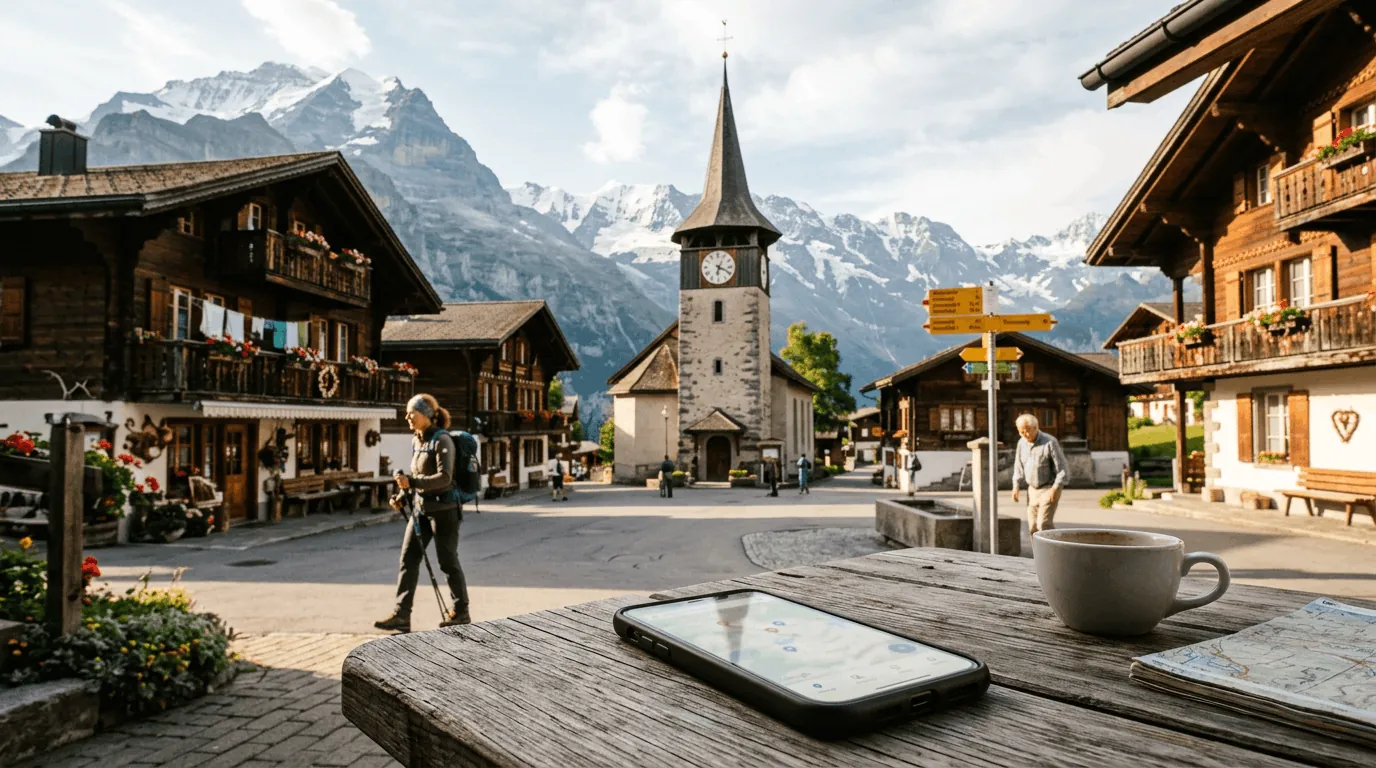
A small mountain village with 800 inhabitants competes online with Zermatt, St. Moritz and Interlaken — for the same search queries, the same clicks and, increasingly, the same mention in an AI answer. Current data on local visibility in 2026 shows: anyone who is not properly set up in Google Maps, Google Business Profile and generative AI systems disappears almost completely next to the big names. For small tourism regions, this is a real threat — but also an opportunity to become significantly more visible than their size would suggest, provided the right measures are taken.
Problem in everyday hotel business
Small places and regions often have neither the marketing budget nor the staff to keep up with well-known holiday destinations. Many rely on the place name and the landscape alone — assuming that Google and travellers will find the region anyway. The problem: if Google entries are outdated, reviews are missing, or the website does not clearly describe what makes the place special, it is difficult for both classic search engines and AI systems to recognise the region as a relevant answer at all.
Latest findings from studies / events
Several current analyses of local visibility in 2026 show how much the rules of the game are currently shifting:
- The Google Business Profile is the second most important visibility factor after the website itself. According to a recent analysis by Whitespark, a well-maintained profile accounts for around 32 percent of local ranking factors.
- Google recommends instead of just listing. Since March 2026, Google has used «Ask Maps», an AI feature that actively makes recommendations based on profile data, reviews and attributes — rather than simply showing a list of places.
- The gap between classic and AI-powered visibility is large. A recent analysis of over 350,000 business locations shows: while 35.9 percent appear in the classic Google Local Pack, only 1.2 percent of local providers are actively recommended by ChatGPT.
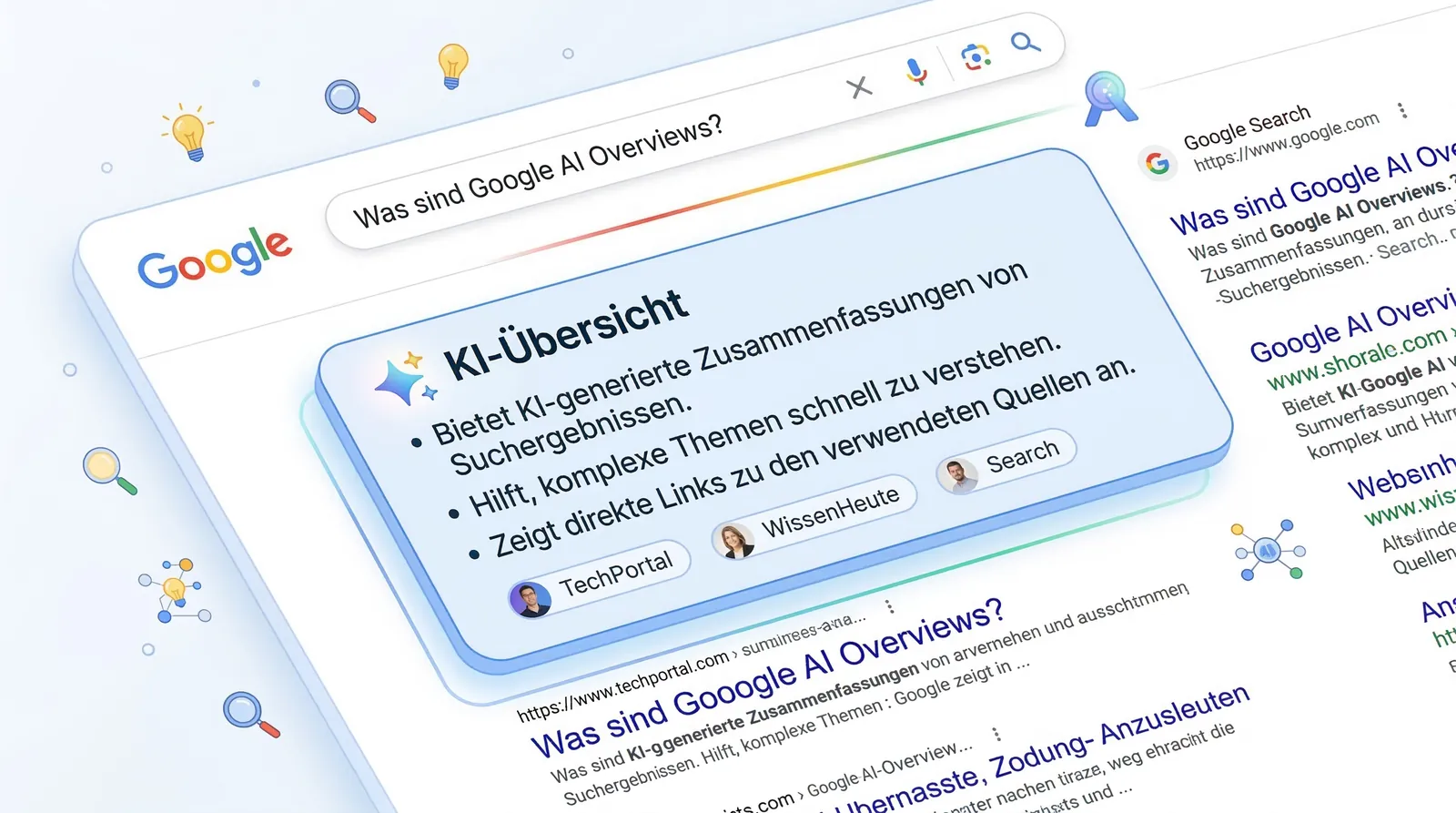
- Over 40 percent of all local search queries already trigger an AI summary (AI Overview) — the information for this comes largely from Google Business Profile data.
- Consistent basic data builds trust. Name, address and phone number must be identical across all directories — inconsistencies cost visibility with both Google and AI systems.
- Freshness counts for more than completeness alone. Since the March 2026 Google update, a profile filled out once is no longer enough; new photos, current posts and fresh reviews have a direct effect on visibility.
What does this mean for your region?
1. A well-maintained profile beats a big name
A small place with a complete, current and consistent Google Business Profile can well appear ahead of a larger but neglected destination in local search. Today, visibility is more a matter of upkeep than of fame.
2. Provide clear facts instead of promotional language
AI systems can do little with flowery descriptions such as «unique mountain experience». Concrete details — distances, opening hours, activities, prices — help both Google and ChatGPT and similar tools to correctly classify and recommend the region.
3. Actively manage reviews and activity
Since freshness is a key visibility factor, it is worthwhile for the tourism organisation to actively ask for reviews, publish posts regularly and answer questions in the profile — even if this is often treated as a side issue in day-to-day tourism work.
Concrete practical example
Starting point: A fictional small tourism region in the Emmental had a Google Business Profile that had not been updated for over a year — outdated opening hours, hardly any photos, no responses to reviews. In AI search, the region practically never appeared, while neighbouring regions with a similar offering were regularly recommended.
Measure: The tourism organisation fully updated the profile, added current photos and clear facts about hiking trails, travel and sights, and actively asked guests as well as local partner businesses for reviews. In addition, questions in the profile were actively answered.
Result / expectation: Within a few months, the region is expected to appear more often in local search results and increasingly in AI-generated answers, because the foundation for Google and AI systems is complete and current again for the first time.
Common mistakes
- Setting up the Google Business Profile and then forgetting about it — without regular updates, it loses visibility, regardless of the place's fame.
- Using promotional rather than concrete descriptions — AI systems cannot translate vague wording into reliable recommendations.
- Leaving reviews to chance — without actively asking for feedback, profiles remain thin and not very credible, which costs trust with both guests and AI systems.
Conclusion
The good news for small tourism regions: in 2026, visibility is no longer purely a question of size or budget, but of diligence. Anyone who maintains their Google Business Profile, provides clear facts instead of marketing phrases, and actively asks for reviews can hold their own even against well-known names. The effort required is manageable — but the effect on your own findability in Google, Maps and AI systems is considerable. The first step is often simply an honest stocktaking: when was your own profile last updated?
Sources
- Darren Shaw / Whitespark: Local Search Ranking Factors 2026
- SOCi: 2026 Local Visibility Index – official overview
- SOCi: In AI-Driven Discovery, Few Brands Are Chosen, Most Disappear
- Google: How we’re reimagining Maps with Gemini
More related articles:
- Why destinations need to operate differently than individual hotels (same target group: destinations)
- Google Business Profile 2026 (key measure for local visibility)
- Content clusters instead of individual articles (structural recommendation for destination pages)