
The AI landscape is changing faster than expected. Just a year ago, ChatGPT was practically without competition. Today the picture looks different — and this has direct consequences for hotels that rely on AI tools or want to be visible in AI search results.
The problem in everyday hotel operations
Over the past two years, many hoteliers have started integrating AI tools into their daily work: for texts, responses to reviews, translations or preparing offers. Most of them rely on ChatGPT — often simply because it was the first one they got to know. At the same time, more and more guests are discovering hotels through AI systems: they ask Gemini, ChatGPT or Perplexity for recommendations before even opening a booking platform.
Anyone who relies on just one single system — as a user, or as a hotel wanting to be found in AI answers — risks falling behind.
What the current figures show
The market research platform Similarweb published new data on the AI chatbot market in early 2026. The results are clear:
- ChatGPT still holds 68% market share — a year ago it was still over 87%. The decline is massive.
- Google Gemini is the biggest winner. Its share rose from around 5.6% to over 27% (depending on the measurement method). Gemini is deeply integrated into Android, Google Search and Gmail — making it simply the next logical step for many users.
- Claude (Anthropic) has grown from 1.4% to over 18% — especially in the B2B sector, i.e. among companies using AI professionally.
- Perplexity is stagnating at around 2%, after having grown for a while.
- The market has shifted from "one provider" to "four relevant providers". This is a fundamental change.
For hotels, this means: the question is no longer "Do we use AI?" but "Which AI systems are relevant to us — and in which ones are we found?"
What this means for your hotel
1. Your content needs to work across multiple AI systems
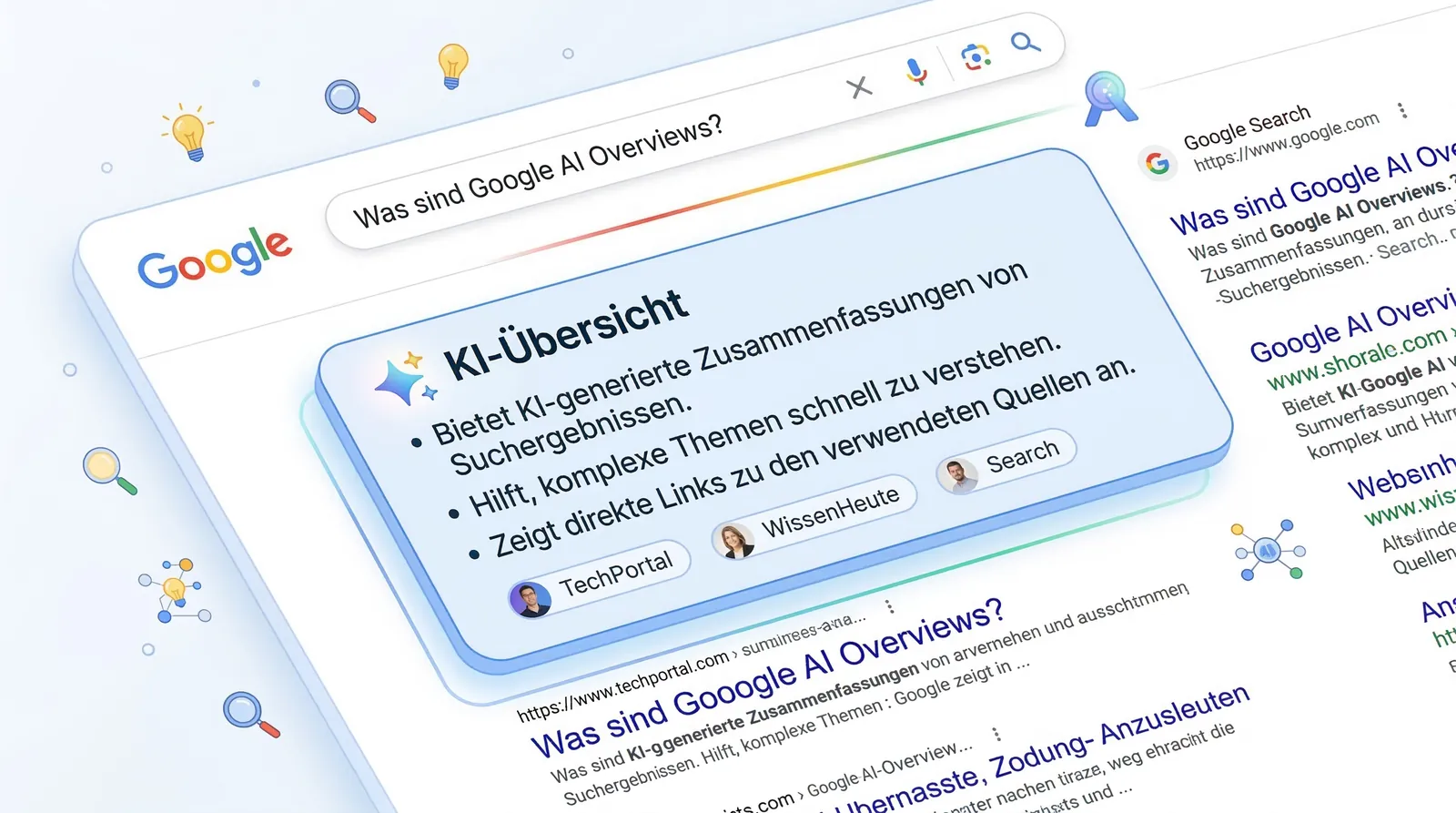
If a guest asks Gemini "Which hotel in Graubünden has a good wellness area?", Gemini draws its answer from publicly available sources: your website, Google My Business, review platforms and structured data. This is the same principle as with ChatGPT or Claude — but each system weighs sources somewhat differently.
What helps: Clear, well-structured texts on your website. Complete and up-to-date Google My Business profiles. Genuine guest reviews with concrete details. These are the fundamentals that work across all AI systems.
2. Relying only on ChatGPT narrows your view
Many hotels have started working with ChatGPT — and that's good. But those who have never tried other tools may be missing better solutions for certain tasks. Gemini is strong when it comes to integration with Google services. Claude is considered particularly reliable for longer texts and analyses. Perplexity is well suited for quick research with source references.
What helps: Test two or three tools for your specific use case (e.g. creating offers, responding to reviews, translations). Not every tool is equally good at every task.
3. Visibility in AI systems is not a coincidence
When an AI system recommends a hotel, it's not because it "likes" the hotel. It recommends what it knows from reliable, well-structured sources. Hotels that provide clear answers to typical guest questions on their website ("How far are you from the train station?", "Is there parking available?", "What's included in breakfast?") are cited more often and more precisely by AI systems.
What helps: Check your website for completeness. Answer your guests' most common questions directly in the text — not just in a hidden FAQ.
Practical example: boutique hotel in Lucerne (fictional but realistic)
The "Hotel Seeblick" in Lucerne (fictional) had until now worked exclusively with ChatGPT — for texts, offers and review responses. When the owner started testing Gemini as well, she found that Gemini could access her Google Calendar entries directly and create offers with concrete availability — without detours.
At the same time, she reworked her website: instead of generic descriptions ("We offer a unique experience"), she formulated concrete answers to frequent questions ("Our breakfast buffet is open daily from 7 to 10 am and includes regional products from the canton of Lucerne").
Three months later: when guests search Gemini or ChatGPT for "boutique hotel Lucerne with regional breakfast", the hotel appears in the answers — because the information is clear, complete and findable.
Common mistakes
1. Knowing and using only one AI tool.
Anyone who uses only ChatGPT may be missing better solutions for specific tasks — and doesn't understand how other systems process information about their hotel.
2. Neglecting your own website as an AI source.
AI systems recommend what they know. An outdated, incomplete or poorly structured website means the hotel is not represented at all, or is represented incorrectly, in AI answers.
3. Waiting until "a standard" has established itself.
The market has already changed. Anyone who waits until "it's clear which AI will prevail" loses time. The fundamentals — good content, complete profiles, clear texts — work across all systems.
Conclusion
ChatGPT remains the largest AI system — but it is no longer the only one that matters. Gemini, Claude and other providers are quickly gaining importance, both as tools for everyday hotel operations and as systems through which guests receive recommendations. For hoteliers, this means above all one thing: the fundamentals must be right. Those who structure their website clearly, maintain their Google My Business profile and answer real guest questions directly are better positioned across all relevant AI systems. This is not a question of technology — it is a question of consistency.
Sources
- Similarweb, January 2026: AI Chatbot Market Share Report
- Goodie / higoodie.com: "2026 AI Search Traffic Report: ChatGPT Is Slipping" (June 2026)
- Vertu.com: "AI Chatbot Market Share 2026: ChatGPT drops to 68% as Google Gemini surges to 18.2%" (January 2026)
- Momentic Marketing: "June 2026 Top Generative AI Chatbots & LLMs by Market Share"
- Trending Topics: "Google's Gemini eats into ChatGPT's market share, Grok overtakes Perplexity" (2026)
- Perplexity AI Page: "ChatGPT's Market Share Falls" — original source of the topic
Further related articles
- 76% of the Swiss population use ChatGPT & Co. (usage figures for context)
- How visible is your hotel really (fundamentals article on GEO)
- What happens if your AI tool gets blocked overnight (related risk: dependency on a single provider)