Imagine this: two out of three people currently searching for a hotel in your region click on not a single search result. They read the answer directly on Google — and then they are gone. No visit to your website. No booking. No chance to present yourself. This is exactly what is happening today, in 2026, millions of times a day. And very few hoteliers know about it.
The problem in everyday hotel business
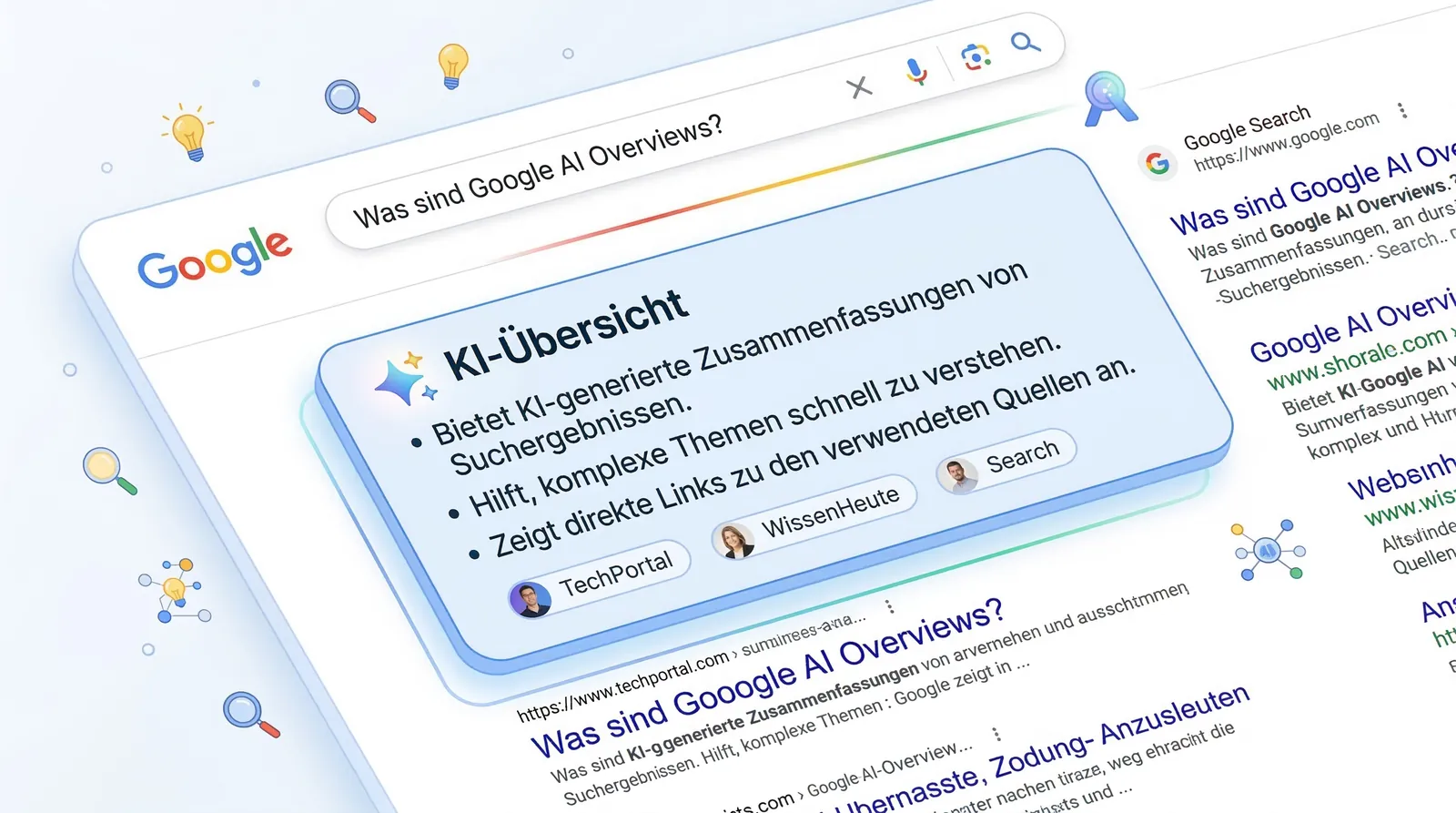
Many businesses invest in a good website, maintain their Google presence and perhaps even run ads. The logic behind this: whoever is well visible gets clicked — and whoever gets clicked gets booked. This logic held true for a long time. Today it only applies to a shrinking share of search queries. Because Google answers more and more questions directly on the results page — through AI summaries, information boxes, review carousels and price comparisons. The guest gets what they are looking for without ever clicking through to a website.
What the numbers say
A recent analysis by SparkToro and Similarweb from spring 2026 shows the scale of this:
- 68% of all Google searches in the US end without a single click — a historic high.
- Only around 30% of search queries still lead to a website visit at all — the rest stay on Google.
- Organic click-through rates have dropped by up to 61% when Google displays an AI summary (AI Overview).
- On mobile devices the situation is even more pronounced — the screen is smaller there, and the AI answer dominates even more.
- Google is developing into a "walled garden": users search, find and decide — all within Google, without leaving the platform.
- Particularly relevant for hotels: search queries such as "hotel Zurich with breakfast" or "affordable family hotel Graubünden" are increasingly being answered directly through Google Maps, review boxes and AI answers — without a click to your website.
What does this mean for your hotel?
1. Visibility on Google is no longer the same as website traffic
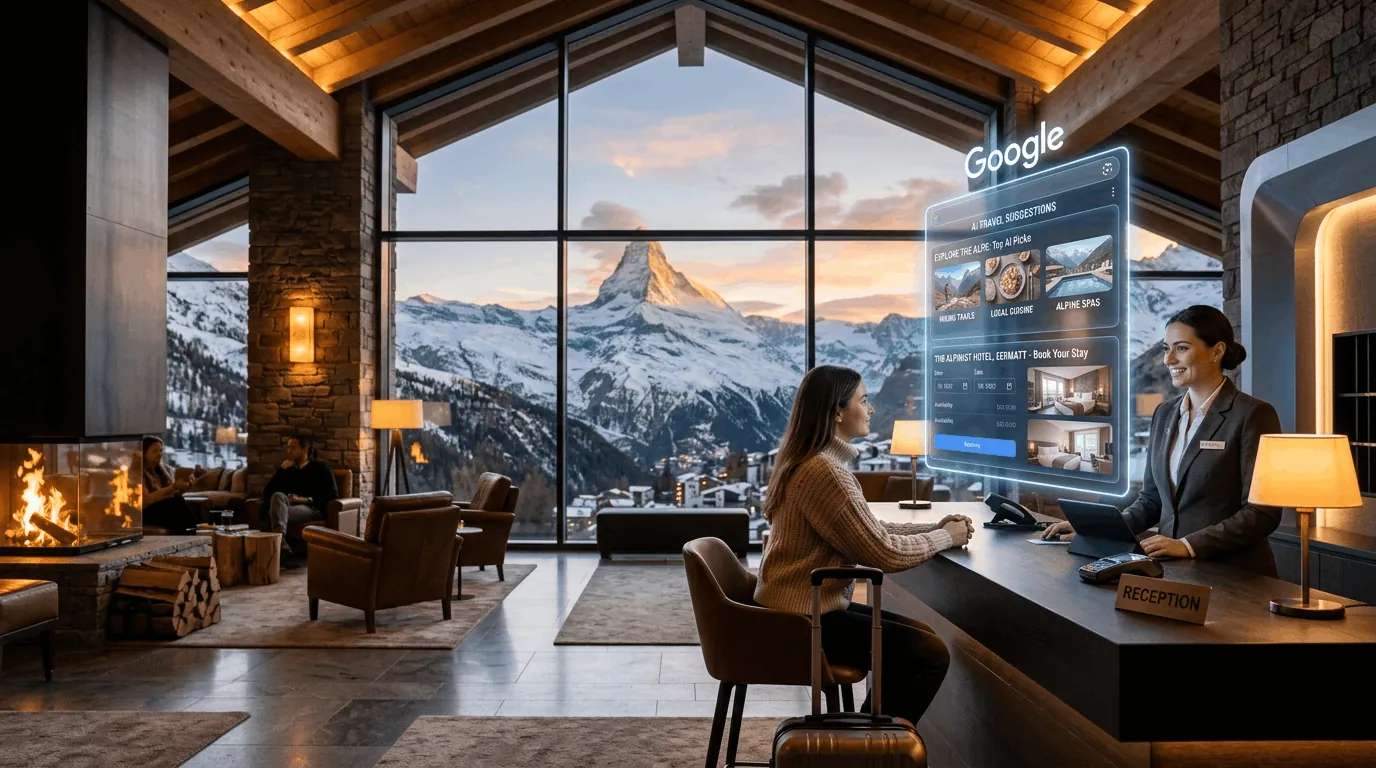
In the past, the equation was simple: good ranking = more visitors = more bookings. This equation no longer works that way. Today you need to be visible on Google even when no click follows. This means: your Google Business Profile (formerly "Google My Business") must be complete, up to date and convincing. Photos, opening hours, price range, reviews, offers — all of this appears directly in the search. Whoever fails to convince there loses out — without even noticing.
2. AI answers need content they can cite
Google, ChatGPT, Perplexity and other AI systems generate their answers based on content available online. If your website clearly describes what makes your hotel special — who it is ideal for, what guests experience, what it costs — the chances increase that an AI will recommend exactly your property. This is called GEO: Generative Engine Optimization. It is not a replacement for SEO, but a necessary complement. In concrete terms: write for people, not for algorithms — clearly, specifically, with real details.
3. Direct bookings need more than just a good website
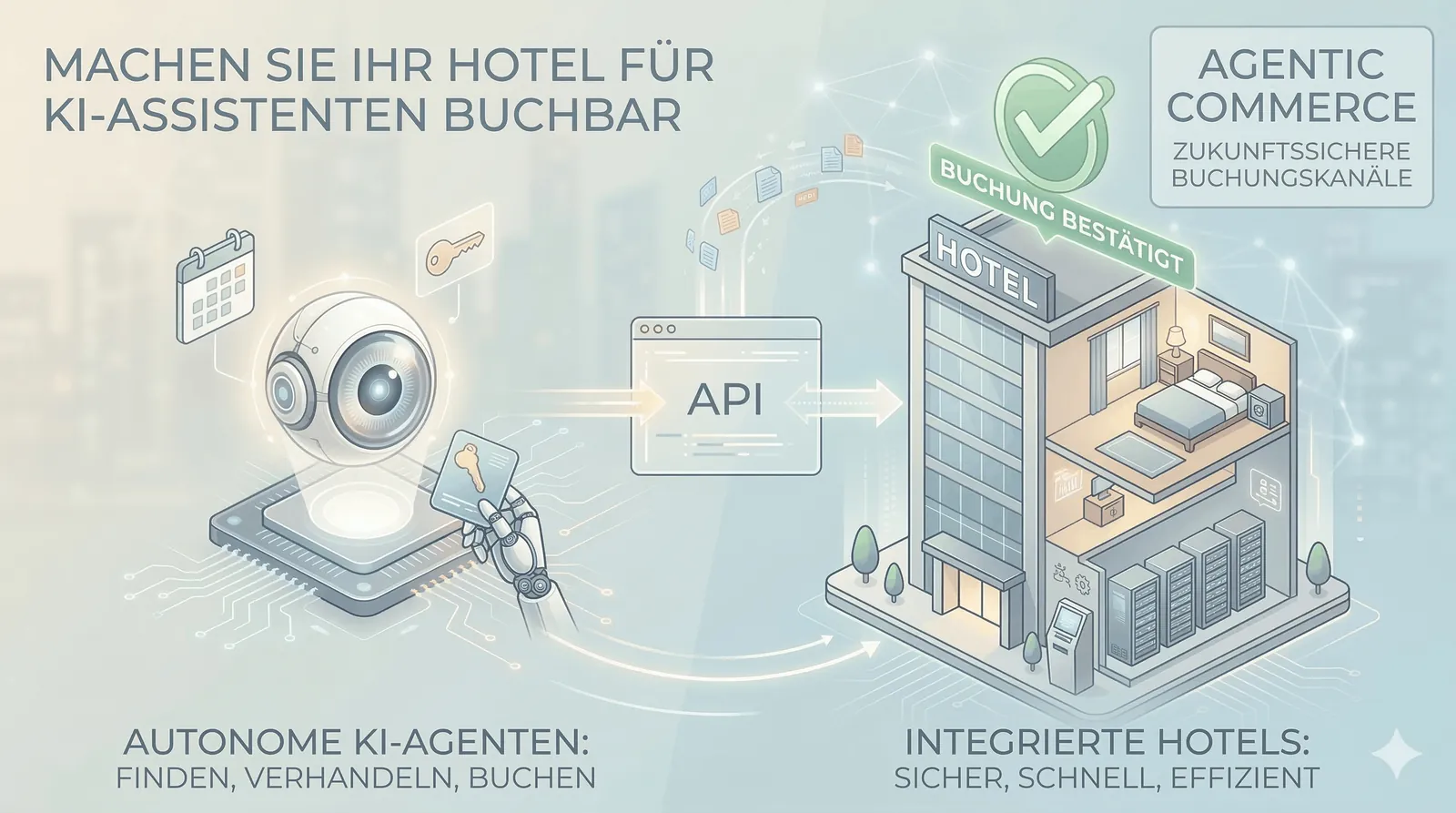
Anyone wanting to book directly today often no longer arrives at your website via Google — but via a link in an AI answer, a recommendation on a review platform, or a social media post. This means your direct booking strategy needs to be broader. Email marketing, cultivating repeat guests, review management and a strong presence across several channels become more important — not less.
Practical example: boutique hotel in the Bernese Oberland
Fictional example, based on typical situations from practice.
Starting point: A small boutique hotel with 18 rooms in Grindelwald notices that organic website traffic has dropped by around 35% since the start of 2026 — even though the Google ranking has remained stable. Bookings continue, but increasingly via Booking.com.
Measures: The hotel completely reworks its Google Business Profile: new photos, an updated description with concrete unique selling points ("the only hotel in the village with its own wellness area and a view of the Eiger North Face"), regular posts and active responses to all reviews. In parallel, the website texts are revised: instead of generic phrases ("warm hospitality, unique location"), there is now concrete information for specific guest groups — families, couples, hikers. This content is worded so that AI systems can easily pick it up and cite it.
Result / expectation: Within three months, visibility in the Google Business Profile increases measurably. The first guests report that the hotel was recommended to them by ChatGPT. The share of direct bookings stabilises — despite declining organic traffic on the website.
Common mistakes
1. Ignoring the drop in traffic.
Many hoteliers notice declining website visits and look for the fault in the website or the technology. Yet the cause often lies elsewhere: Google answers their guests' questions before they even reach the website. Anyone who does not understand this invests in the wrong place.
2. Neglecting the Google Business Profile.
Today, this profile is often the first — and only — point of contact between a hotel and a potential guest. Outdated photos, missing information or unanswered reviews cost bookings without this being directly visible.
3. Writing content that AI does not understand.
Many hotel websites are full of marketing language but poor in concrete information. "Unique atmosphere" and "unforgettable experiences" do not help an AI. What does help: clear information on location, target audience, special features, price range and typical stays.
Conclusion
The rules of online visibility have changed — faster than most businesses have kept up with. 68% of Google searches end without a click. This is not a temporary phenomenon, but a structural shift that will continue to accelerate. For hotels, this does not mean that Google becomes less important — quite the opposite. Google becomes even more important, but in a different way. No longer as a waypoint to the website, but as a stage in its own right on which your hotel must convince. Anyone who understands this and adapts their Google profile, their content and their direct booking strategy accordingly will also succeed in this new environment. Anyone who waits leaves the field to the OTAs — and pays commission for it.
Sources
- SparkToro / Similarweb: In 2026, Less than One Third of Google Searches Still Send a Click (2026) — sparktoro.com
- Search Engine Land: Google zero-click searches reach 68% in early 2026 (2026) — searchengineland.com
- Hotel News Resource: AI Reshapes Hotel Paid Media as Click-Through Rates Plummet (2026) — hotelnewsresource.com
- Semrush: AI Overviews triggered on 13.14% of all queries (March 2025)
- Perplexity: 68% of Google Searches Now End Without a Click — perplexity.ai
Further articles on this topic
- Why ChatGPT recommends your hotel — FAQ page (response to zero-click)
- Google Business Profile 2026 (where visibility is shifting instead)
- ChatGPT is losing market share (related market shift)
- How visible is your hotel really (foundational article)