The off-season comes every year. Yet many hotels only start marketing once several weeks of weak demand are already on the calendar. By then, only short-term discounts remain an option. Early planning with offers that suit the guests, the region and the hotel itself works better.
The problem in everyday hotel operations
During peak season, most attention goes to operations, staff and guest care. As a result, the quieter months are often planned late. Offers are put together at short notice, content is missing from the website, and regular guests are not addressed specifically.
The problem is not occupancy alone. Empty rooms also mean less revenue for the restaurant, wellness offers and regional partners. Anyone who wants to fill the off-season needs to think earlier about why someone should travel at exactly that time.
Current developments in the market and industry
- Swiss hospitality does not develop the same way in every month and region. From January to June 2026, Switzerland recorded a total of 20.3 million overnight stays, 0.7 percent fewer than in the same period the previous year. Such fluctuations show how important it is to plan individually by season and source market.
- Year-round operation is becoming more important. Industry observers see the timing and spatial distribution of demand as a key task for Swiss tourism.
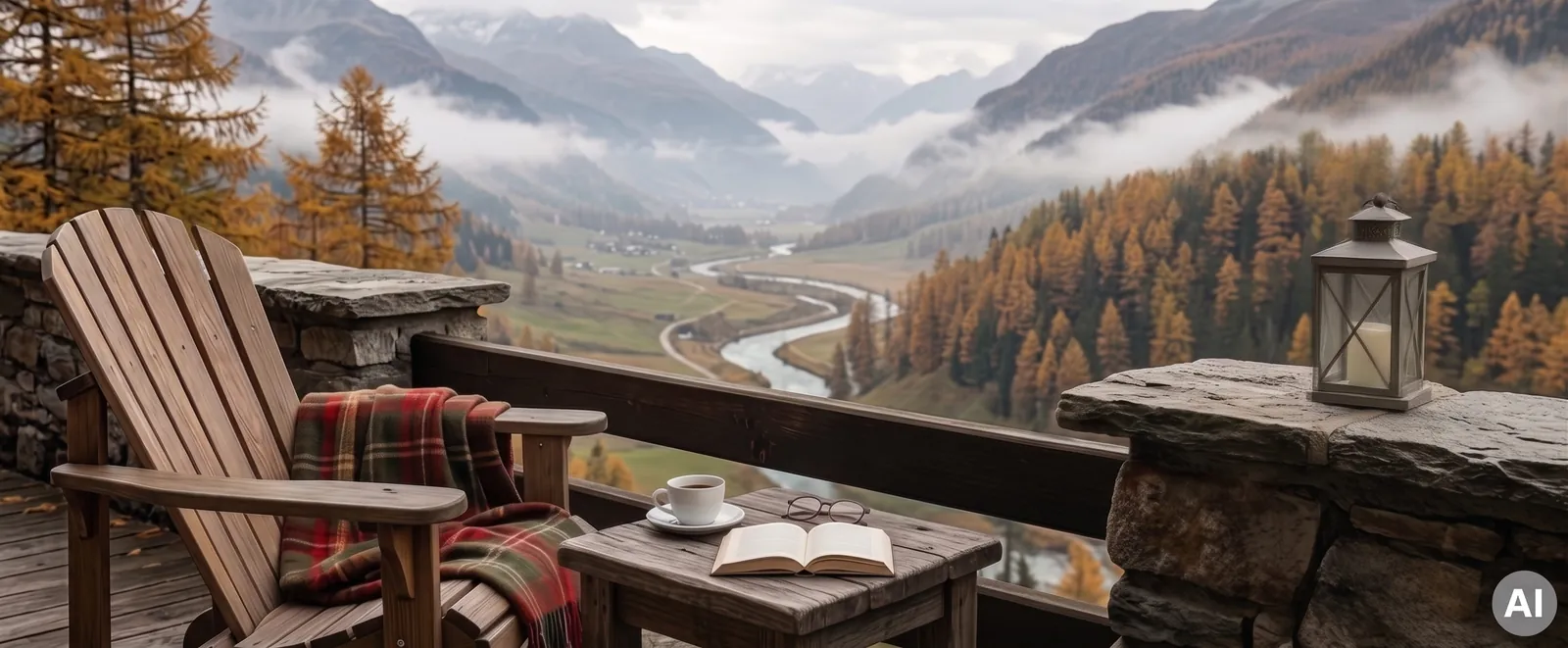
- Off-season themes need to fit the location. Autumn cuisine, winter stillness or spring hiking work when the hotel, the region and service partners turn them into a shared experience.
- Short trips are particularly appealing during quiet periods. Guests don't need to plan two weeks of holiday. An extended weekend built around a specific occasion can be easier to book than a general "relaxation offer".
- Direct outreach works better when it is relevant. Email campaigns can tailor offers by interest and past stays instead of sending the same promotion to every guest.
What does this mean for your hotel?
1. Address the right target group instead of "all guests"
Define a concrete target group for each quiet period. For a mountain hotel, this could be couples looking for a peaceful autumn weekend, hiking groups in spring, or families during regional school holidays.
Check your existing bookings: who already travels during these months? What questions does this group ask? What activities are actually available in the region? This produces an offer that is more credible than a blanket percentage discount.
2. Build an offer around an occasion
A room alone is often not enough reason to travel during the off-season. Combine the stay with an occasion: a culinary weekend, a guided walk, a wellness evening, a concert visit, or a package for people who work during the week and want a short break.
Involve regional partners early. A joint offer spreads the workload, makes communication more interesting and can bring additional reach through the partners' channels.
3. Become visible early and activate regular guests
Plan the most important content at least two to three months before the desired stay. This includes a dedicated offer page, current images, clear services, and answers to practical questions: Who is the offer suitable for? What is included in the price? How far is the nearest activity? What happens in case of bad weather?
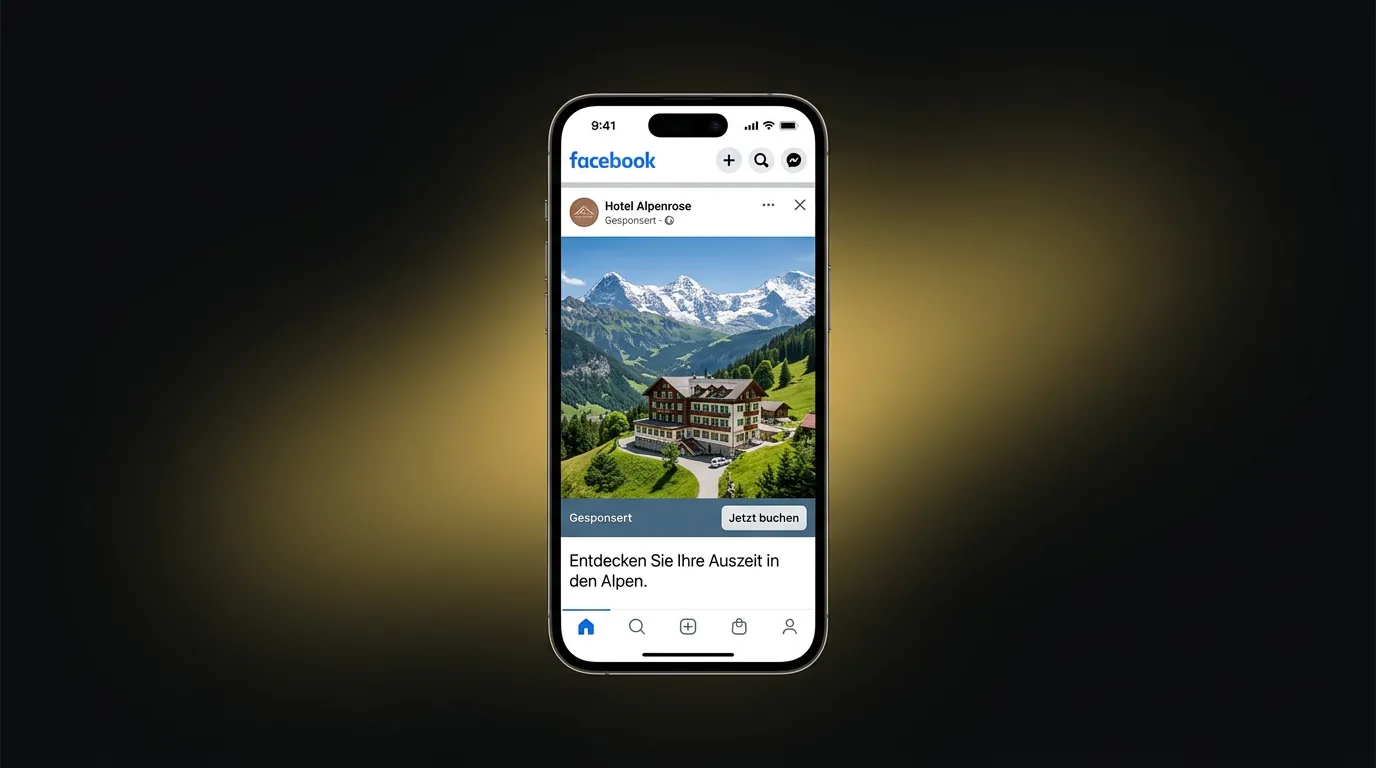
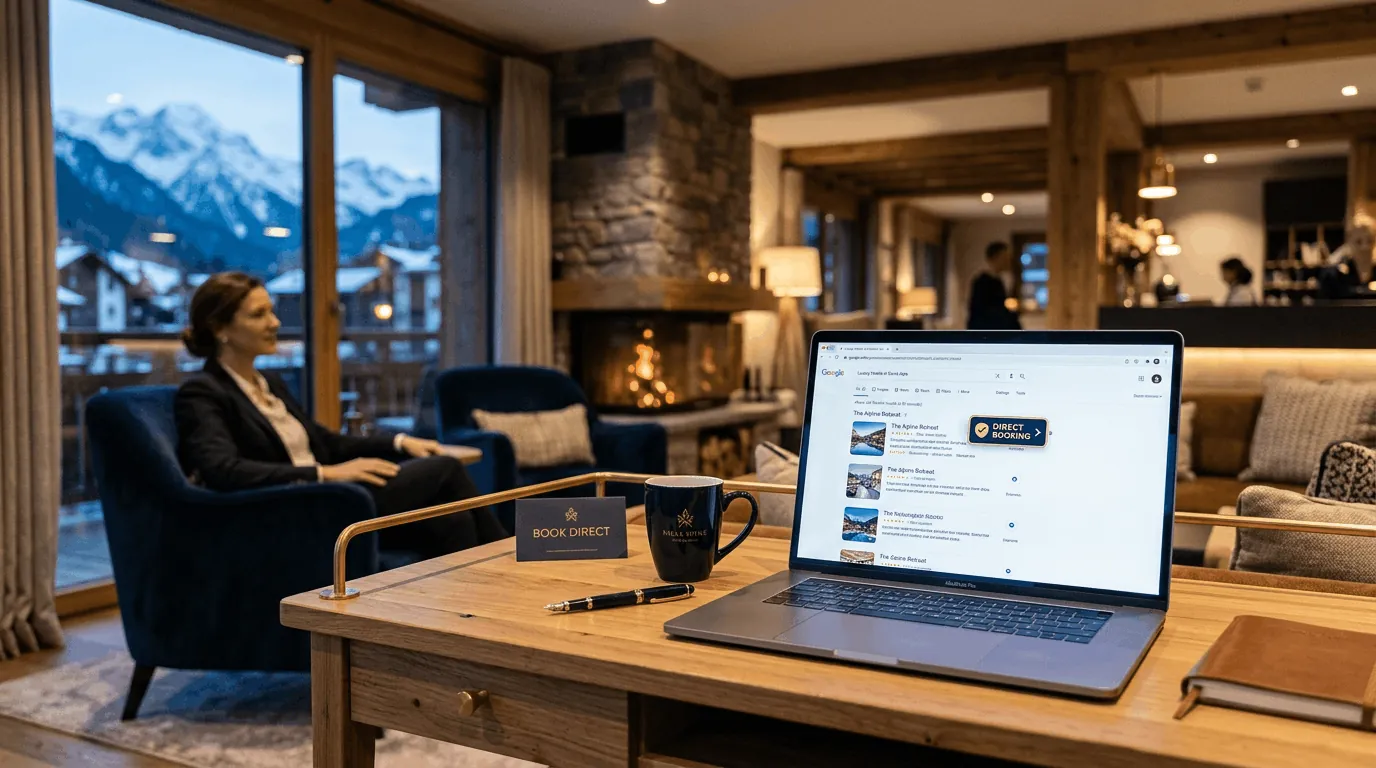
Complement the website with email marketing and matching ads. Regular guests can receive a personal offer, while new guests discover the theme through Google, social networks or regional partners. What matters is not being present everywhere, but appearing where the relevant target group is actually searching.
Common mistakes
- Starting only once occupancy is already poor. This leaves little time for good content, partners and a well-executed campaign.
- Only lowering the price. A discount does not explain why a trip during the off-season is worthwhile and can weaken the perceived value of the offer.
- Building one offer for all target groups. Couples, families, hiking groups and business travellers have different reasons for booking outside peak season.
Conclusion
Off-season marketing for hotels does not start with the discount, but with a good answer to the question: why should someone come right now? Target groups, regional occasions and matching content give shape to that answer. Those who reach out to regular guests early and work with local partners can plan demand more effectively and generate additional revenue. Review your quietest months now — not once they have already begun. Even a clearly defined offer for a single period can be a meaningful first test.
More related articles
- Online marketing for hotels: which channels are really worth it in 2026 — and what they should cost
- Online marketing for hotels without a marketing department: the 90-day roadmap
- The most common online marketing mistakes made by small Swiss hotels
- Marketing budget 2027: why hotels should approach their planning differently now
- WhatsApp for hotels: a booking and service channel