Part 3 of the series «AI visibility for hotels: the roadmap»
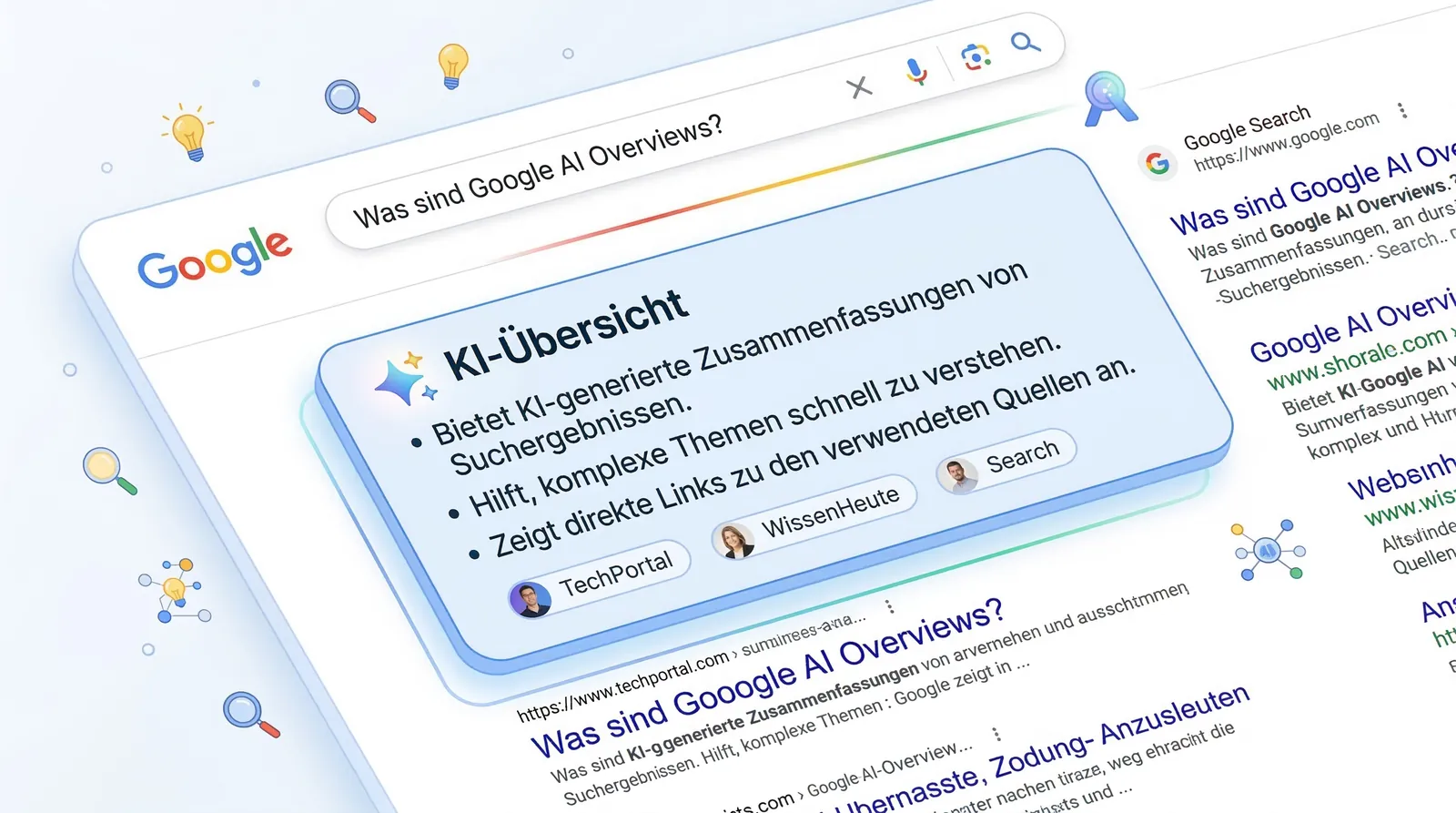
The second part of this series covered the technical foundation: schema markup, robots.txt, the building blocks behind the scenes of your website. But even a technically flawless page stays invisible to AI systems if the copy itself doesn't fit. Google, ChatGPT and Perplexity read your website differently today than you're probably used to — and this understanding is exactly what decides whether a paragraph gets cited or goes unused.
The problem in everyday hotel practice
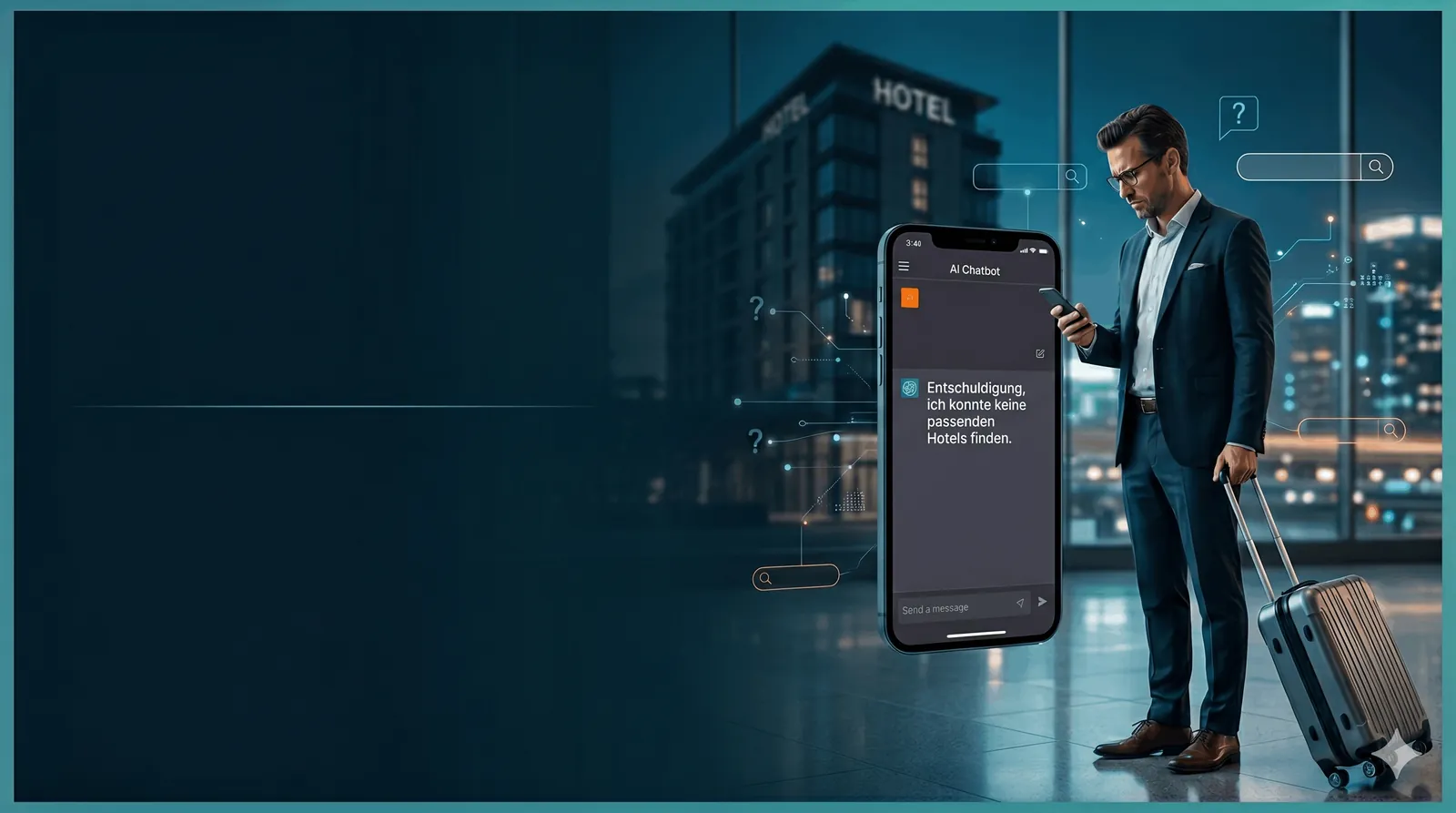
Many hotel texts are built for emotion and atmosphere: long introductions, flowery descriptions, with the actual answer often only arriving in the third or fourth sentence. For guests who take their time and read the whole text, that works. For an AI, it doesn't. It looks in every section for a self-contained, immediately understandable answer — if it doesn't find one in the first sentences, it moves on to the next source. The result: well-intentioned but overly roundabout texts simply get skipped.
Current findings from studies / events
Several recent analyses of AI citations show a remarkably consistent picture of how AI systems select content:
- The answer has to appear in the first sentences. Studies on Google AI Overviews show that a paragraph which only answers the question after a long run-up gets passed over — even when the actual answer is substantively strong.
- Short, self-contained answer blocks are cited more often. The ideal length for a directly quotable section is around 40 to 75 words — long enough for context, short enough to be taken over as a whole.
- Questions as subheadings work better than plain keywords. A heading like «How far is it to the station?» is matched by AI systems to the corresponding user question more easily than «Location and access».
- FAQ sections are among the most frequently cited elements overall, because every question-and-answer pair is already a self-contained, clearly delimited answer block.
- Concrete numbers and facts outperform vague phrasing. Statements such as «14 minutes' walk to the station» are cited in preference to «centrally located» or «in close proximity».
- Currency matters. AI systems favour content that is visibly maintained — a visible update date and regularly revised facts increase the chance of continuing to be cited.
What does this mean for your hotel?
1. Answer first, story afterwards
Begin every content section with the actual answer, not with the lead-up to it. Instead of «Our hotel is located in a beautiful, quiet setting appreciated by many guests, which is sure to delight you», write: «The hotel is located 800 metres from the village centre, surrounded by meadows and free of through traffic.» The atmosphere can follow afterwards — the answer comes first.
2. Build a genuine FAQ section
Collect the ten to fifteen questions guests actually ask you most often — by phone, email or at the front desk. Phrase these as headings («Is parking free of charge?») and answer them directly underneath in two to three sentences. This section is by far the simplest measure for creating citable content.
3. Replace mood words with verifiable facts
Go through your most important pages and flag vague phrasing such as «spacious», «modern» or «central». Wherever possible, replace it with a number or a concrete detail: square metres, distance, list of amenities, opening hours. The emotion can stay, but always supplemented with a fact an AI can orient itself by.
Concrete practical example
Starting point: A boutique hotel in Zurich with 18 rooms had well-maintained but very atmospheric copy: long paragraphs about the ambience, the history of the house and the feeling a stay is meant to convey. The self-test from Part 1 revealed that on concrete guest questions such as «Does the hotel offer late check-out?» or «Is the hotel pet-friendly?», ChatGPT and Perplexity gave no answer or an incorrect one.
Measure taken: Based on the ten most frequent enquiries from the email inbox and the front desk, the team created a new FAQ section with clear question headings and direct answers in the first two sentences. In addition, the room descriptions were supplemented with concrete details: square metre figures, the exact distance to the main station in minutes on foot, and a clear statement on the pet policy. The atmospheric copy was kept, but each section was supplemented with a fact-based paragraph.
Expectation: The next self-test is planned for eight weeks after the revision. The expectation is that at least the newly addressed FAQ topics will in future be answered correctly and with up-to-date details, since this content is now available in a format AI systems can take over directly.
Common mistakes
- Delivering the answer only at the end of a long paragraph. If the core statement isn't mentioned in the first sentences, the section is often not considered at all.
- Filling FAQ sections with invented rather than genuine guest questions. Only questions that are actually asked match the wording guests use when searching with an AI.
- Writing content once and never updating it. Outdated prices, opening hours or amenity details damage credibility — and with it, the likelihood of continuing to be cited.
Conclusion
Good copy for hotel marketing and good copy for AI systems are not mutually exclusive — they simply need a clear order: the answer first, the atmosphere second. Anyone who collects typical guest questions, answers them directly and replaces vague phrasing with verifiable facts creates content an AI can actually use. The effort involved is manageable, because most hotels already know which questions their guests ask — they just haven't recorded them anywhere in a structured way. The next part of the series looks at which everyday hotel tasks can already be sensibly automated with AI today.