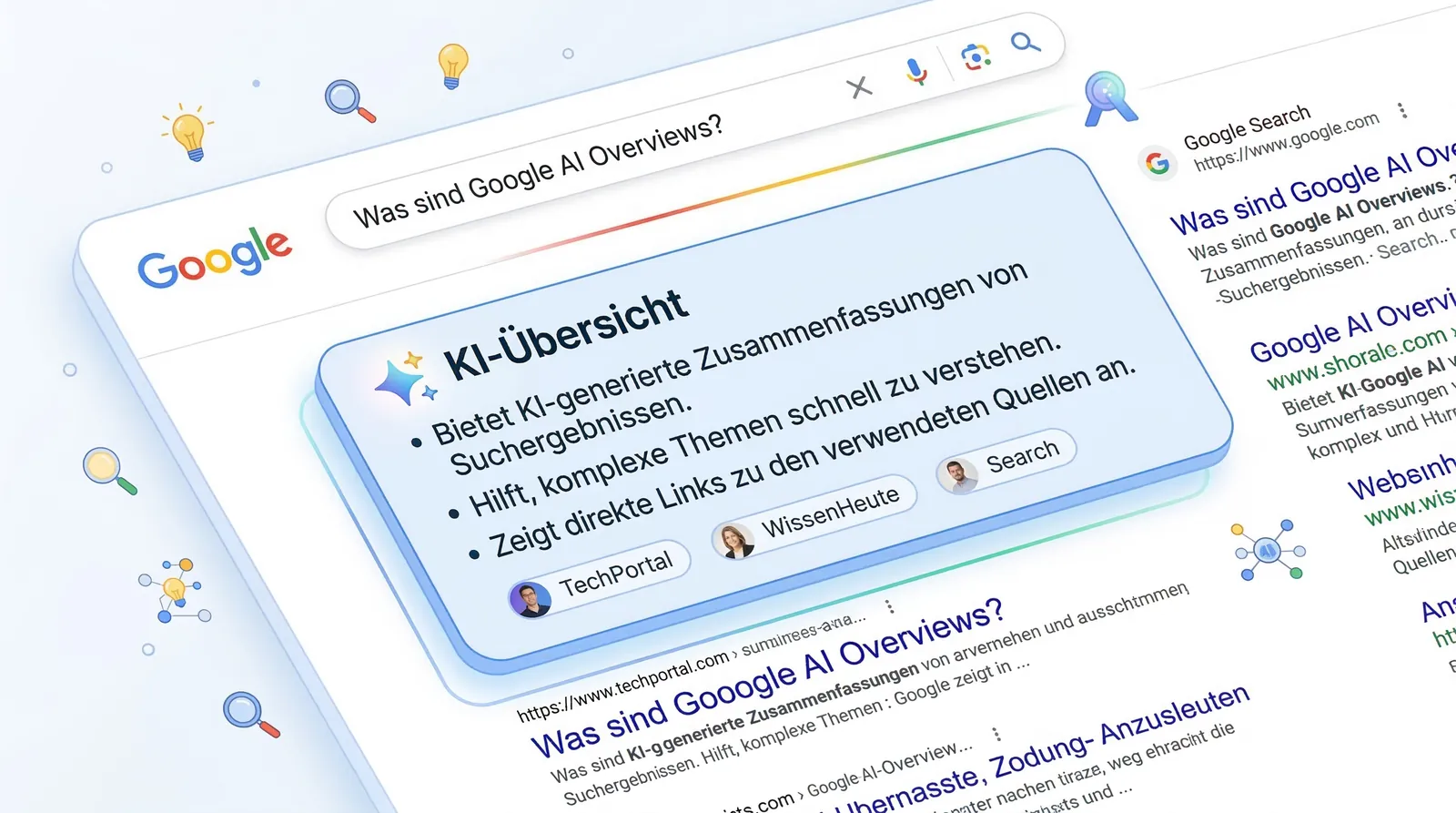

Two hotels with a similar offer, similar price, similar location — and yet guests only click on one of them. The difference often lies not in the offer itself, but in how the search engine presents it. Structured data, also known as Schema Markup, is one of the most underestimated levers of hotel search engine optimisation — and at the same time one of the least correctly implemented.
The problem in everyday hotel operations
The hotel's own website is well maintained, the texts are up to date, the photos are high quality. Yet the search result on Google appears only as a plain blue link with a title and text snippet — while the competitor stands out directly in the search results with a star rating, price and room image. The reason for this is usually invisible: missing or faulty structured data in the background of the website. For most hoteliers, this is technical territory they have never actively tackled, because it simply doesn't show up in day-to-day business — until the revenue gap to the competitor becomes visible.
Current findings from research and practice
A large-scale study systematically analysed for the first time in 2026 the actual state of structured data in the hotel industry. Over 121,000 hotel homepages across seven countries were evaluated. The results are revealing:
- Only 10.6 percent of the hotels examined have good Schema Markup. The rest have either none at all or a faulty one.
- 41 percent of hotels that use structured data at all use the wrong schema type — for example, a generic "LocalBusiness" instead of the more specific "Hotel" or "LodgingBusiness" schema.
- The average quality score is only 14.3 out of 100 points, with a median of 0. This means that half of all hotels examined effectively have no usable structured data.
- Over 72 percent of results on the first page of Google use Schema Markup — while across industries, fewer than 30 percent of all websites use it at all. The gap between importance and actual implementation is therefore substantial.
- Rich snippets, made possible by structured data, receive around 58 percent of clicks — compared with 41 percent for plain blue links. A hotel with a clearly visible star rating and price in the search result thus has a clear advantage before the guest has even clicked through to the website.
- Around 27 percent of schema implementations contain syntax errors, and 43 percent fail to display due to missing required fields. Anyone who implements structured data must therefore also maintain and test it correctly.
What does this mean for your hotel?
1. Schema markup is the common language for Google and AI systems
Structured data tells a search engine not just that a number appears on your page, but specifically that it is the room price, the star rating or the number of available rooms. AI systems such as ChatGPT, Gemini or Perplexity use this same machine-readable clarity when compiling hotel information for an answer. A website without this structure is harder for a machine to understand — even if the content is perfectly clear to a human reader.
2. The right schema type determines the impact
A generic "Organization" or "LocalBusiness" schema is not sufficient for a hotel. The appropriate types are "Hotel" or "LodgingBusiness", combined with "AggregateRating" for reviews. Caution is needed with prices: a fixed price stated via "Offer" only makes sense if the price actually remains stable. Since most hotels work with dynamic, daily pricing, a rigidly stored price in the markup would quickly no longer match the actual price — and Google generally removes inconsistent information from the display again. Hotels with dynamic pricing are therefore better off focusing on star category, reviews and amenities, and either leaving out the price field in the markup or showing only a price range, provided this is actually maintained reliably.
3. Structured data is not a one-off project — it requires ongoing maintenance
Schema Markup implemented once is of little use if prices, availability or reviews change but the markup itself does not keep pace. Faulty or outdated structured data leads Google to simply remove the rich snippet display again. Regular checks using free Google tools should therefore be just as much a part of everyday routine as updating room prices themselves.
Practical example: a city hotel in Lucerne
Starting point: A city hotel with 45 rooms had a solid, well-maintained website — but no structured data whatsoever. In Google search results, the hotel appeared only as a plain text link, while two competitors were directly visible in the search result with star rating and price.
Measures: Together with a specialised agency, a correct "Hotel" schema with address, star category and average rating was implemented and validated using the Google Rich Results Test. In addition, a process was set up so that price changes automatically flow into the markup.
Result: Within a few weeks, Google search showed a star rating directly in the search result for the hotel for the first time. The click-through rate on the search result rose noticeably, as did the number of enquiries via the hotel's own website — without any additional advertising budget.
Common mistakes
- The wrong or too general a schema type is used. A "LocalBusiness" schema instead of a specific "Hotel" schema gives Google less context and wastes potential for rich snippets.
- The markup is implemented once and never checked again. Outdated prices or missing required fields lead Google to remove the enhanced display again, without the hotelier noticing.
- Too many schema types are combined at once. Layering Hotel, LocalBusiness, Organization and other types on top of each other indiscriminately confuses the search engine more than it helps it.
Conclusion
Structured data is not a niche topic for technology enthusiasts in hotel search engine optimisation — it is a direct lever for visibility and click-through rate, and one that is surprisingly rarely implemented correctly. Hotels that equip themselves with clean, well-maintained Schema Markup belong to a small minority that visibly stands out from the competition, both on Google and in the growing AI search systems. The technical effort required is manageable, and the effect on clicks and enquiries is measurable. A good reason to check your own website with the Google Rich Results Test.
Sources
- Hotel Schema.org Adoption Study 2026 – Nicolas Sitter
- Google Search Central: Structured Data
- Google Rich Results Test
- Schema.org: Documentation for Hotels
Further articles
- Why ChatGPT recommends your hotel — if you have this one page on your website
- Google Business Profile 2026: What hoteliers need to change so AI can find them
- Content clusters instead of individual articles: How tourism websites build topical authority
- Google AI Overviews: The new showcase for your hotel